 Save
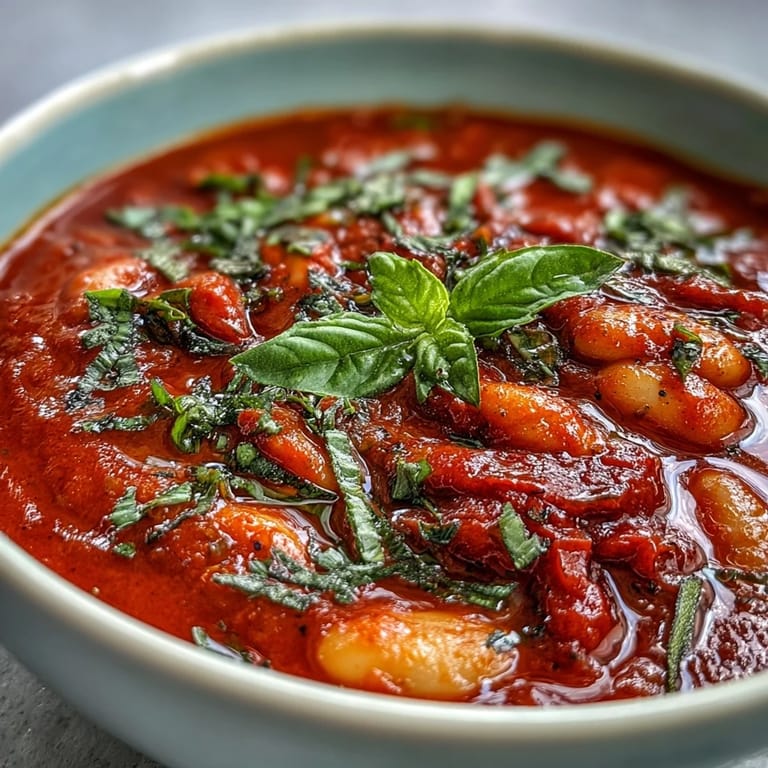
Save There's something almost magical about the moment you first taste a soup that tastes like it took hours, when really you've only been cooking for half one. That was my introduction to this roasted red pepper and white bean soup—a weeknight discovery that somehow felt like a celebration in a bowl. The vibrant color alone made me pause mid-sip, wondering how something this beautiful could come together so effortlessly. My kitchen smelled like sweet peppers and garlic, the kind of aroma that makes you forget you're cooking on a Tuesday. Since then, I've made it dozens of times, and it never fails to feel like more than the sum of its simple parts.
I learned the real power of this soup when I made it for my sister on an unexpectedly difficult afternoon—she showed up at my door needing something warm and honest. While it simmered, she sat at my kitchen counter talking, and by the time I ladled it into bowls, her whole demeanor had shifted. It wasn't about the soup itself, really, but about what it represented: care that didn't require hours of labor, nourishment that felt intentional. That's when I realized this recipe was less about impressing and more about showing up for people.
Ingredients
- Red bell peppers (3 large, roasted and peeled): These are the soul of the soup—roasting them first deepens their flavor into something almost wine-like and sophisticated, so don't skip this step even though buying pre-roasted peppers from the jar is tempting (and honestly, totally fine if you're short on time).
- Cannellini beans (2 cans, drained): White beans have this creamy texture that naturally thickens the soup without any cream, making them quietly essential.
- Yellow onion, carrot, and celery (the holy trinity): They're the quiet backbone that builds flavor as they soften, creating a savory foundation that the peppers shine against.
- Vegetable broth (4 cups): Use something you'd actually drink on its own—the quality matters because it's the liquid stage these flavors are living in.
- Smoked paprika and dried thyme (1 teaspoon and 1/2 teaspoon): These two spices echo and deepen the pepper's natural sweetness while adding an earthy whisper that keeps the soup from feeling one-note.
- Olive oil (1 tablespoon) and red pepper flakes (optional): The oil carries flavor while the flakes add a gentle heat that doesn't overpower but rather wakes up your palate.
Tired of Takeout? 🥡
Get 10 meals you can make faster than delivery arrives. Seriously.
One email. No spam. Unsubscribe anytime.
Instructions
- Build your aromatic base:
- Heat the olive oil in your pot over medium heat until it's shimmering but not smoking, then add the diced onion, carrot, and celery together. This combination should soften for about 5-6 minutes—you're listening for the quiet sizzle and watching for the onion to turn translucent at the edges. It's the moment when your kitchen starts smelling intentional.
- Awaken the garlic:
- Add your minced garlic and let it cook for just one minute—this is the step where you absolutely cannot walk away because garlic goes from fragrant to burnt in an instant. You're listening for it to release that heady, warm smell, then moving forward before it turns bitter.
- Introduce the peppers and spices:
- Stir in the roasted red peppers along with the smoked paprika, thyme, and red pepper flakes if you're using them. Cook this mixture for a couple of minutes so the spices bloom and coat everything in a warm, toasted aroma that hints at what's coming next.
- Add the beans and broth:
- Pour in your vegetable broth and add the drained cannellini beans, then bring everything to a gentle boil before reducing the heat. Let it simmer uncovered for about 15 minutes—during this time, the flavors meld into something cohesive, and your kitchen becomes even warmer and more inviting.
- Blend until silky:
- This is where the magic fully reveals itself—use an immersion blender to puree the soup directly in the pot, or work in batches with a countertop blender if you prefer. I find the immersion blender creates this satisfying moment where lumpy soup transforms into something velvety in real-time, and you can control exactly how smooth or textured you want it.
- Season and serve:
- Taste as you go, adding salt and freshly ground black pepper until it tastes like the best version of itself. Ladle it into bowls and finish with a handful of fresh parsley, a generous drizzle of extra virgin olive oil, and crusty bread for dipping if the mood strikes.
 Save
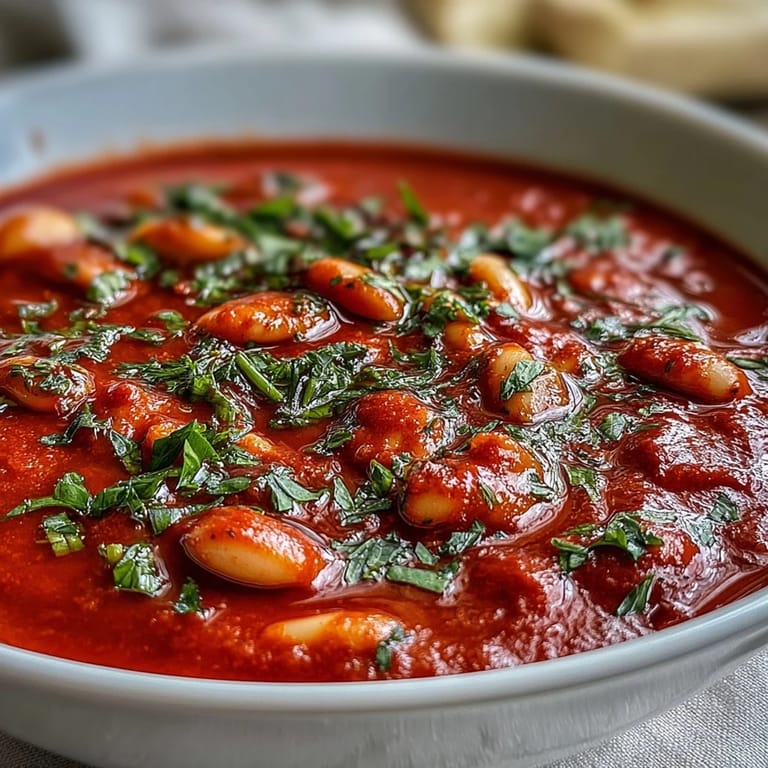
Save There was a moment last winter when I served this soup to a group of friends who'd all gathered on short notice, and watching them slow down mid-conversation to really taste what was in front of them reminded me why simple food matters. No one asked for the recipe that night—they just kept coming back to their bowls, and that felt like the highest compliment.
The Case for Roasting Your Own Peppers
Buying pre-roasted peppers from a jar will never be wrong—we all have days like that—but roasting your own peppers under the broiler teaches you something important about how heat transforms vegetables. You char them until they're blackened and blistered, steam them in a covered bowl for ten minutes so the skin releases, then peel away all that charred skin to reveal the sweet, tender flesh underneath. There's something satisfying about the process, and your kitchen will smell absolutely incredible while it's happening.
Making This Soup Your Own
The beauty of this recipe is that it responds well to improvisation once you understand its basic structure—if you don't have cannellini beans, any creamy white bean works beautifully, and if you want extra richness without dairy, a splash of coconut milk stirred in before blending creates this luxurious mouthfeel. Some mornings I'll add a handful of fresh spinach right before blending, which wilts into nothing visible but adds an earthy undertone that's quietly sophisticated. The spices can shift too—a pinch of cumin adds warmth, fresh basil brings brightness, a touch of cayenne if you want real heat.
Storage, Reheating, and Why This Soup Gets Better with Time
This soup keeps beautifully in the refrigerator for up to four days in an airtight container, and honestly, the flavors deepen slightly as they sit, making it ideal for meal prep or those moments when you need to feed yourself something nourishing without thinking too hard. To reheat, warm it gently over medium-low heat with a splash of extra broth if it's thickened too much—avoid boiling it hard, which can make it taste slightly flat. Freeze it in portions for up to three months, and you'll have your own version of restaurant-quality comfort waiting for whenever you need it.
- Let soup cool completely before freezing so the container doesn't crack from temperature shock.
- Add fresh herbs and a drizzle of olive oil after reheating, since heat can dull delicate flavors.
- A bowl of this soup with crusty bread and a simple green salad becomes a complete meal that feels both casual and intentional.
 Save
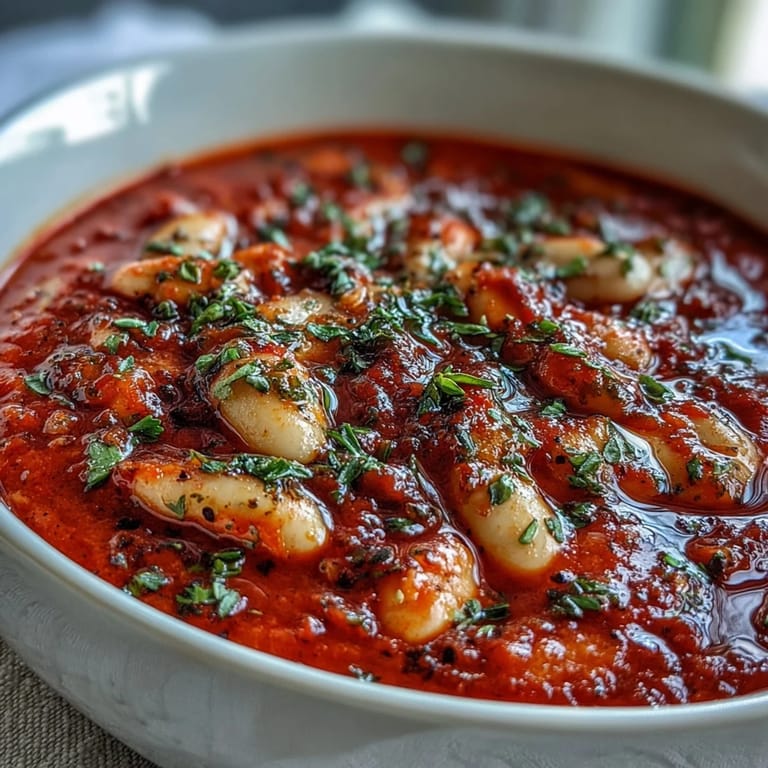
Save This soup has become one of those recipes I turn to when I want to feed myself or someone else something that tastes like care—simple enough for a quiet Tuesday dinner, impressive enough for unexpected guests, and nourishing enough that it feels like something your body asked for. Make it once and it becomes part of your kitchen repertoire forever.
Kitchen Tips & Answers
- → How do I roast red peppers at home?
Char whole red peppers under a broiler until blackened on all sides. Then steam them in a covered bowl for about 10 minutes before peeling and chopping.
- → Can I use different beans instead of cannellini?
Yes, Great Northern or navy beans are excellent substitutes and provide a similar creamy texture.
- → What is the best way to achieve a smooth texture?
Use an immersion blender directly in the pot or transfer the soup in batches to a countertop blender to puree until smooth.
- → How can I make this dish creamier?
Adding a splash of coconut milk or cream before blending will enhance the creaminess without overpowering flavors.
- → Is this suitable for gluten-free diets?
Yes, as long as gluten-free broth and bread (if served) are used, this dish remains gluten-free and suitable for such diets.