 Save
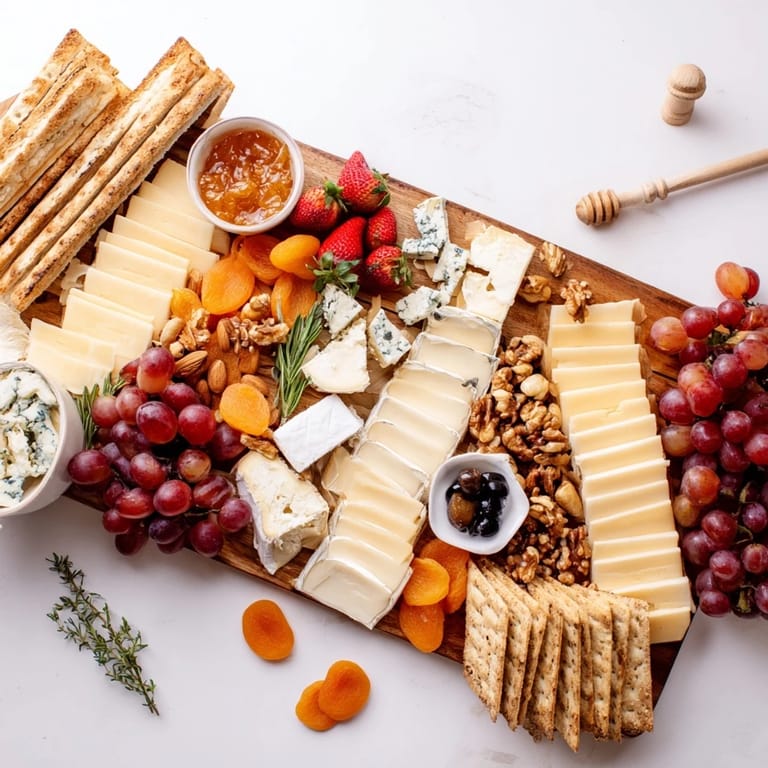
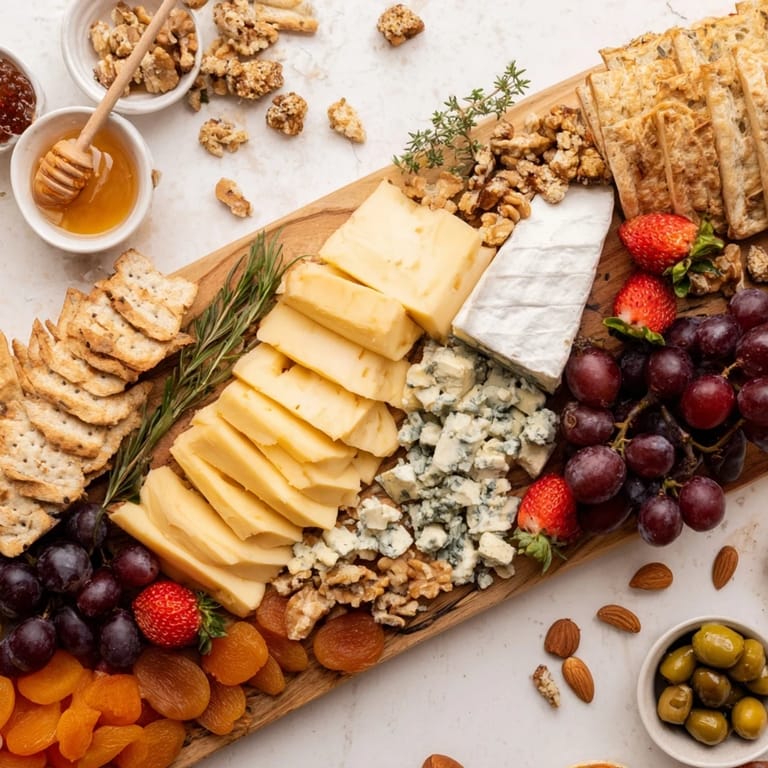
Save The first time I built a grazing board that actually made people pause mid-conversation was when I got frustrated with the usual flat arrangement and thought, what if nothing stayed still? I started stacking cheese and letting it tumble toward the table edge, and suddenly guests were reaching for things that seemed to be falling, which somehow made everything taste better. That dramatic waterfall effect became my obsession, and I realized it wasn't just about abundance—it was about creating a moment where food felt alive and unpredictable.
My brother's wedding reception had a stuffy catering spread, so I snuck my waterfall board onto a side table as a surprise, and I watched my 80-year-old aunt literally giggle while reaching for a piece of brie that was draped over the edge like it was defying gravity. That's when I knew this wasn't just about appetite—it was about breaking the formality and letting people enjoy themselves.
Ingredients
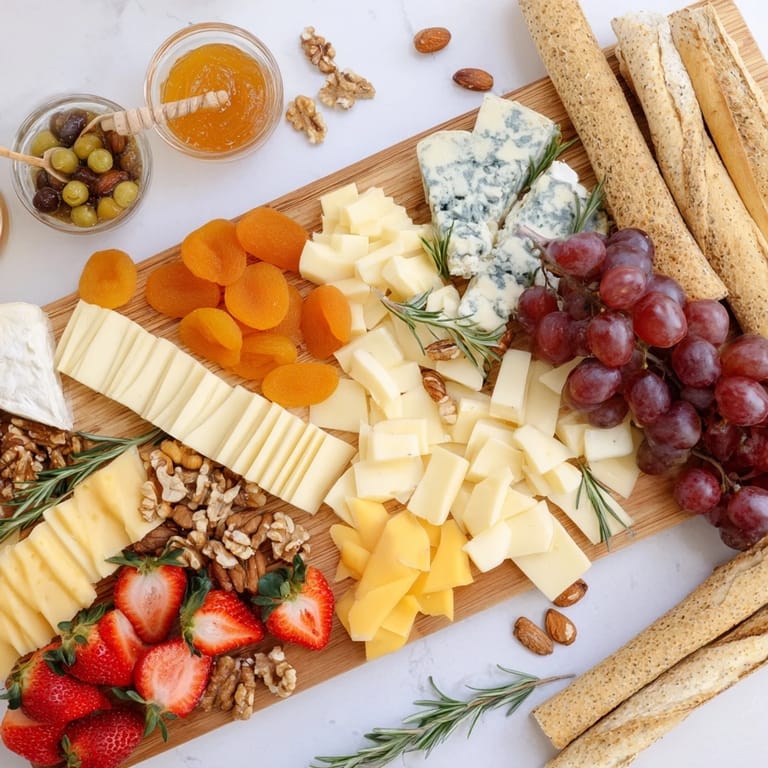
- Brie, sliced into thick pieces: The soft, creamy foundation that drapes beautifully and melts on the tongue—aim for room temperature so it doesn't crack when you layer it.
- Aged Cheddar, cut into cubes: This holds its shape and adds a sharp contrast; the crystalline bits catch the light and make everything look intentional.
- Blue cheese, crumbled: A bold punctuation mark that doesn't need much space; scatter it where you want depth without weight.
- Goat cheese, sliced: Creamy and tangy, it bridges sweet and savory better than anything else I've found.
- Prosciutto, whole slices: Arrange these last because they're delicate; the translucency is part of the visual magic.
- Salami, sliced thin: Adds a salty note and doesn't wilt like prosciutto does after sitting.
- Red grapes in small clusters: Keep them in grape form when possible—the clusters cascade more dramatically than singles.
- Strawberries, halved: Cut them just before serving or they'll weep liquid onto your cheeses.
- Blueberries: Tiny and roll-prone; use them to fill gaps and guide the eye toward the falling elements.
- Pear, thinly sliced: Slice this right before assembly since it browses quickly—a squeeze of lemon juice keeps it pale and elegant.
- Dried apricots and figs: These are chewy anchors that balance the cheese richness and add visual warmth.
- Almonds and walnuts: Toast them lightly for crunch and flavor; they won't get lost among the softer textures.
- Baguette, sliced and toasted: Toasting prevents sogginess if anyone pairs it with the honey or jam.
- Assorted crackers: Pick a mix of textures—some thin and crispy, some hearty—so different cheeses have different companions.
- Honey and fig jam: Warm the honey slightly so it drizzles without pooling; place it where it can spill intentionally.
- Mixed olives: Briny and compact, they're your color contrast and guide people's hands to new combinations.
- Fresh rosemary and thyme: Snap the sprigs so they release oils; they're the final breath of the composition.
Tired of Takeout? 🥡
Get 10 meals you can make faster than delivery arrives. Seriously.
One email. No spam. Unsubscribe anytime.
Instructions
- Set the stage with your board:
- Position your wooden or marble board so one third of it hangs slightly past the table edge, with white parchment or butcher paper spread on the floor beneath to catch what's meant to fall. This isn't reckless—it's deliberate drama.
- Layer the cheese foundation:
- Start near the edge with overlapping slices of Brie, letting each piece extend just past the last so they form a gentle slope downward. Cube the aged Cheddar and nestle it into the crevices, then crumble blue cheese into pockets where it won't slide.
- Drape the cured meats:
- Fold prosciutto into loose, tender waves over the cheese—the thinner you slice it, the more gracefully it cascades. Arrange salami in slightly tighter folds beside it so the meats look like they're dancing with each other.
- Arrange fresh fruit as your focal points:
- Place grape clusters so they nestle among the cheese, and position some strawberry halves and blueberries as stepping stones toward the edge. Scatter pear slices last, arranging a few so they appear to tumble onto the table below.
- Fill the gaps with dried fruits and nuts:
- Tuck apricots and figs into spaces between cheeses, and scatter almonds and walnuts around them so nothing looks sparse. Some nuts should roll beyond the edge—this is part of the visual story.
- Position the bread strategically:
- Lean toasted baguette slices against the cheese and stack a few crackers so they look precariously balanced. Standing bread vertically adds height and makes the board feel less flat and more architectural.
- Add the honey, jam, and olives:
- Place small ramekins of honey and fig jam on the board itself, and scatter olives to create a color trail leading from the board to the table. Consider letting a few olives roll—it reinforces the waterfall concept.
- Finish with herbs and serve:
- Snap fresh rosemary and thyme sprigs and tuck them throughout, paying special attention to bare spots where they'll catch eyes. Step back, take a breath, and watch people approach this board like it's a work of art.
 Save
Save I realized during a small dinner party that when people see something beautiful enough to hesitate before eating it, they actually taste better and share more stories around the table. This board became less about feeding people and more about creating permission to linger and enjoy.
The Art of the Cascade
The waterfall effect isn't about precarious balancing—it's about intentional placement. Every piece that extends past the board has been thoughtfully positioned to look like it's mid-fall, frozen in a moment of graceful descent. The eye naturally follows these cascading elements, and guests unconsciously move around the board rather than standing in one spot, which means everyone gets access and the conversation flows naturally around it.
Building Flavor Conversations
The most magical part of this board is how it invites people to create their own flavor combinations without a recipe telling them what goes together. A piece of blue cheese finds a hazelnut, then touches honey, then meets a grape—and suddenly someone's tasting something they would never have imagined pairing on their own. The physical arrangement is the menu; the combinations are the story everyone writes differently.
Timing and Temperature
Build this board no more than two hours before serving so cheeses stay creamy and fruit stays fresh, but do it early enough that you can breathe and enjoy your guests instead of frantically arranging in the last minutes. If you're serving this at a party where people graze over several hours, refresh the fresh fruit halfway through and add more herbs for visual brightness as things get picked at.
- Slice pears and apples at the absolute last moment, or brush them with lemon juice to prevent browning.
- Keep cheeses out of the refrigerator for 30 minutes before assembly so they're pliable but still hold their shape.
- Position your board away from direct sunlight if it's outside, so the meats don't warm too quickly and the butter in the Brie doesn't separate.
 Save
Save Every time I build one of these boards, I'm reminded that hospitality is really just about making people feel like their presence is worth creating something beautiful for. This board does that effortlessly.
Kitchen Tips & Answers
- → How do I create the waterfall effect with the ingredients?
Arrange overlapping layers of cheeses and place fruits and nuts so they spill over the board’s edge. Position crackers leaning off the side to mimic a cascade.
- → Can this board be adapted for vegetarian guests?
Absolutely. Simply omit the cured meats and focus on the cheeses, fruits, nuts, and accompaniments for a vegetarian-friendly spread.
- → What types of cheeses work best for this setup?
Soft cheeses like Brie and goat cheese, crumbly varieties like blue cheese, and firm aged cheddars create a nice contrast and texture balance.
- → How should I prepare the board for easy cleanup?
Place parchment or butcher paper under the serving area on the table to catch spills and crumbs, making cleanup quicker and simpler.
- → What drinks pair well with this grazing board?
Crisp white wines or sparkling rosé complement the variety of flavors and textures featured on the board.
- → Are there options to add a sweet touch?
Yes, add chocolate pieces or candied nuts along with the dried fruits and jams for a subtle sweet contrast.