 Save
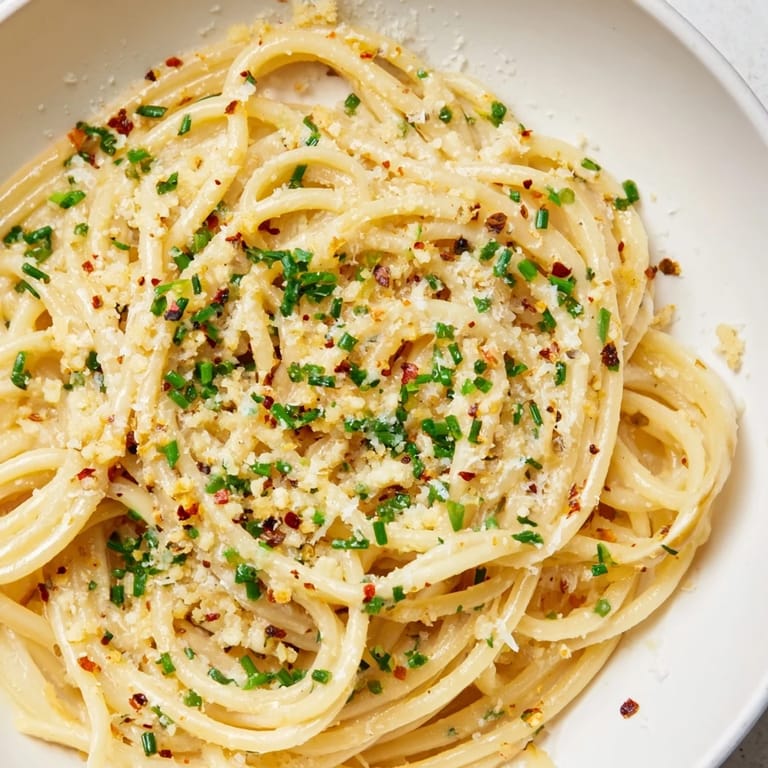
Save One Tuesday night, I stood in my kitchen with half a jar of white miso paste left over from making soup, wondering what else I could do with it. My hand reached for butter almost instinctively, and I thought, what if umami met cream? Twenty minutes later, I was twirling silky spaghetti that tasted like nothing I'd made before—deep, savory, and somehow both Japanese and Italian at once. That dish became the thing I make when I want to feel like I'm cooking something fancy without actually breaking a sweat.
I made this for friends who always order the expensive pasta dishes at dinner, and I watched their faces as they realized what I'd done with ingredients from my pantry. One of them asked for the recipe immediately, and I loved that moment where something so simple felt like I'd shared a secret. That's when I knew this pasta wasn't just for quick dinners—it was something worth keeping close.
Ingredients
- Spaghetti or linguine: Long, delicate shapes let the sauce cling and slide along every strand, which is essential here.
- Unsalted butter: Softened butter blends more smoothly with miso, creating that silky texture that makes the dish feel luxurious.
- White miso paste: Milder and sweeter than red miso, it adds umami depth without overpowering the dish or making it salty.
- Extra-virgin olive oil: This carries the garlic's perfume and helps emulsify the sauce so it coats evenly.
- Garlic cloves: Four cloves might sound bold, but they mellow as they sauté, becoming sweet and mellow rather than sharp.
- Parmesan cheese: The sharpness cuts through the richness and adds another layer of savory complexity that plays beautifully with miso.
- Fresh chives or scallions: These bring a bright, fresh note that lifts the whole dish and prevents it from feeling heavy.
- Lemon wedges: A squeeze of lemon juice right before eating makes everything taste more alive and cuts through the richness.
Tired of Takeout? 🥡
Get 10 meals you can make faster than delivery arrives. Seriously.
One email. No spam. Unsubscribe anytime.
Instructions
- Salt your water generously:
- Bring a large pot of salted water to a rolling boil—it should taste almost like the sea. Cook your pasta according to package instructions until al dente, then set aside 1 cup of the starchy cooking water before draining. This liquid is liquid gold for bringing the sauce together later.
- Blend butter and miso into silence:
- While the pasta cooks, take your softened butter and miso paste in a small bowl and stir them together until completely smooth and uniform. No streaks of white or brown—you want it to look like one cohesive paste.
- Coax the garlic gently:
- Heat olive oil in a large skillet over medium heat, then add your minced garlic. Let it sizzle for 1 to 2 minutes, swirling the pan occasionally, until it becomes fragrant and just barely golden at the edges. If it starts to brown, it will taste bitter, so stay close and watch it.
- Turn down the heat and add the magic:
- Lower the heat to low and pour in your miso butter mixture. Stir constantly until it's melted and silky, about a minute or two. This gentle approach keeps the butter from separating.
- Toss and build the sauce:
- Add your drained pasta to the skillet and toss everything together, using tongs or a pasta fork to coat every strand. Pour in the reserved pasta water slowly, adding just a splash at a time and tossing between additions, until the sauce becomes glossy and clings to the noodles rather than pooling at the bottom. You might not need all of it, and that's fine.
- Season and finish:
- Stir in the black pepper and red pepper flakes if you like a little heat. Remove the skillet from the heat, scatter the Parmesan over the top, and toss one more time so the cheese melts slightly and distributes evenly.
- Serve with light on top:
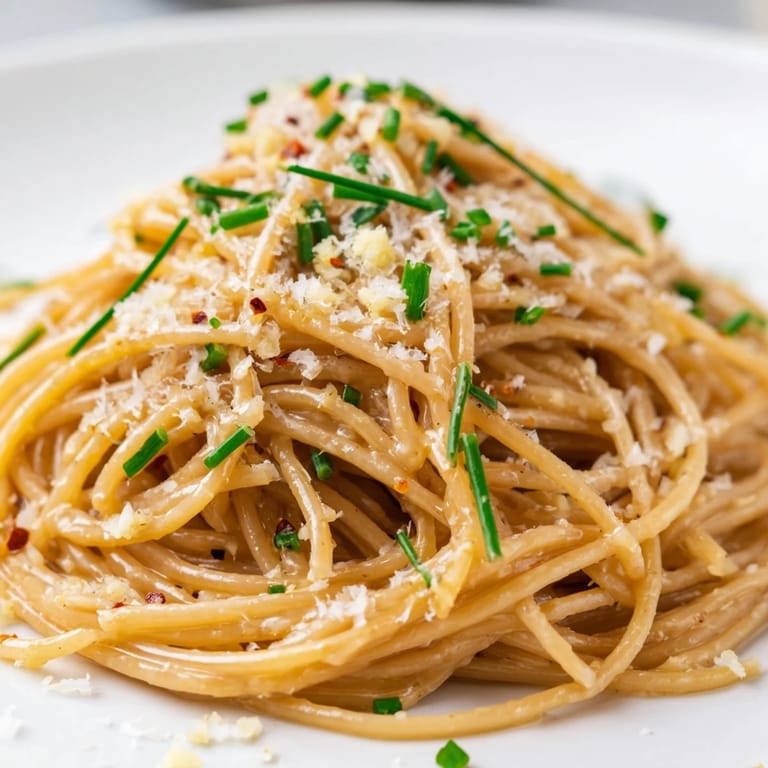
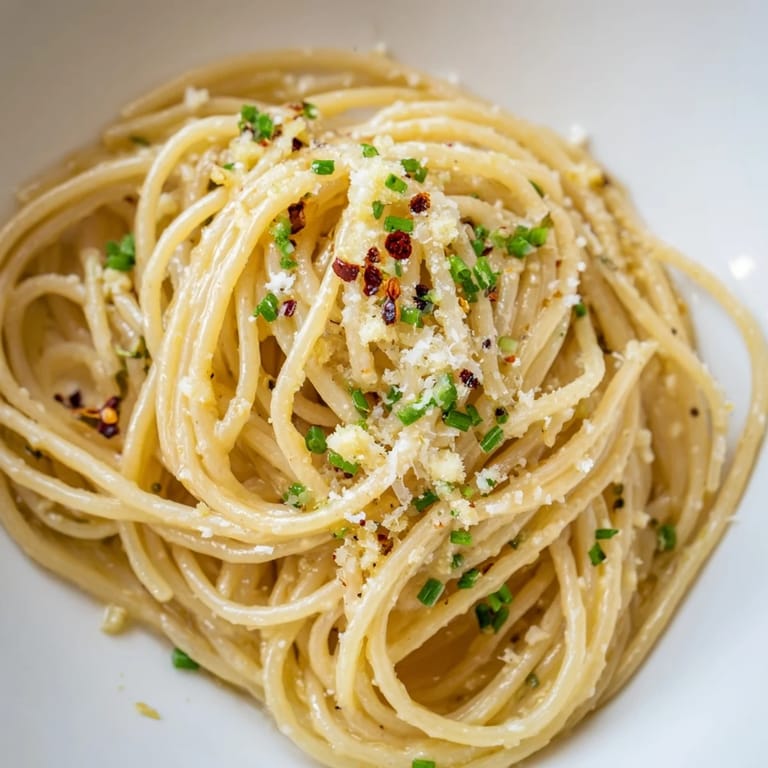
- Divide the pasta among bowls while it's still hot, garnish with fresh chives or scallions, and serve with lemon wedges on the side so people can squeeze as much brightness as they want.
 Save
Save I remember my mother tasting this for the first time and saying it reminded her of something she couldn't quite name, something that felt both new and old. That's the beauty of fusion food when it works—it doesn't feel confused, it feels complete. She's asked me to make it almost every time she visits now.
The Art of Emulsification
This dish is essentially a broken hollandaise waiting to happen, except we're not even trying to create the classic emulsion. Instead, we're using starch from the pasta water to naturally thicken and stabilize the sauce, which is forgiving and almost foolproof. The miso paste and butter start as a solid base, the garlic-infused oil adds richness, and the starchy water brings everything into suspension. This is why so many pasta dishes rely on this technique—it's honest cooking that respects how ingredients actually work together rather than fighting against them.
Variations and Customizations
This base is a template that welcomes additions without losing its identity. Some nights I add a handful of wilted spinach or sautéed mushrooms for earthiness, other times I top it with a soft-boiled egg that breaks into the noodles like a silken sauce. I've made vegan versions using plant-based butter and nutritional yeast instead of Parmesan, and the umami from the miso carries the dish beautifully on its own. The real trick is not to overcrowd the skillet—add proteins or vegetables in moderation so the miso butter remains the star.
Why Miso Works in Pasta
Miso is fermented soybeans, salt, and time, which means it's packed with umami—that savory fifth taste that makes food feel deeper and more satisfying than the ingredients alone would suggest. In Italian cooking, we build umami through Parmesan and butter; in Japanese cooking, miso does that work in one ingredient. When you combine them, you're not mixing cuisines randomly, you're doubling down on savory richness from two traditions that actually understand the same culinary language. This is why the pasta tastes so complete despite being so simple.
- White miso has a milder, slightly sweet character that plays well with garlic and Parmesan without dominating.
- Always stir miso paste into a cold or warm medium before adding it to heat, as high temperatures can mute its complex flavors.
- If you can't find white miso, a light chickpea miso or even a small amount of red miso diluted with butter will work in a pinch.
 Save
Save This is the kind of dish that reminds you why cooking at home matters, even when it's quick and simple. It tastes like care.
Kitchen Tips & Answers
- → What type of pasta works best?
Spaghetti or linguine are ideal for this dish as their shape holds the miso butter sauce well.
- → How do I achieve the right sauce consistency?
Reserve some pasta cooking water and add it gradually while tossing to create a silky, clinging sauce.
- → Can I adjust the spice level?
Yes, the red pepper flakes are optional. Add more or omit to suit your preferred heat level.
- → Is Parmesan necessary for flavor?
Parmesan adds a rich, savory finish, but you can substitute with nutritional yeast for a dairy-free alternative.
- → What garnishes enhance this dish?
Chopped fresh chives or scallions and a squeeze of lemon juice provide freshness and balance the richness.
- → Can I add vegetables or proteins?
Sautéed mushrooms, spinach, or broccoli complement the flavors, and a poached egg can add protein and richness.