 Save
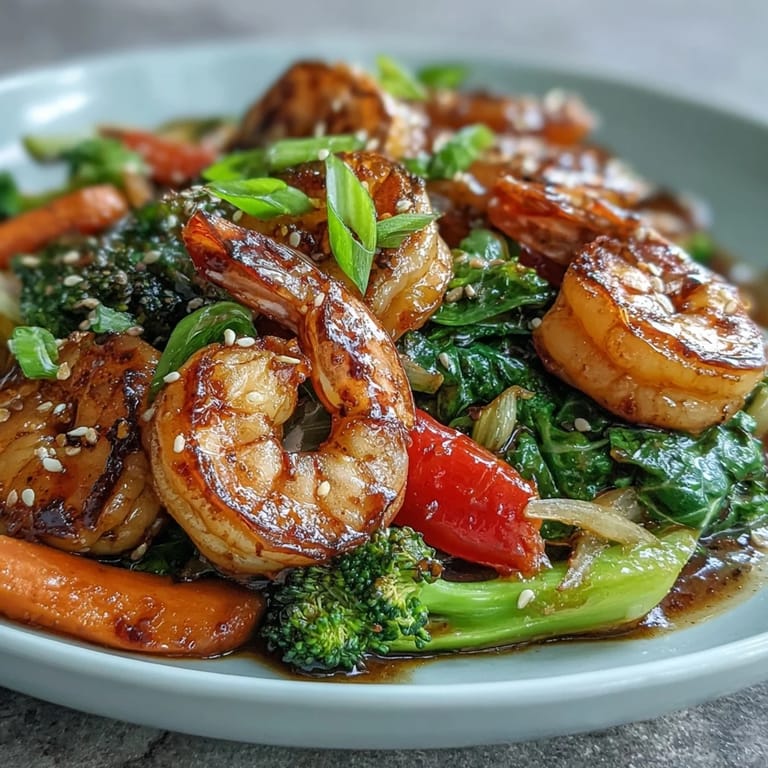
Save There's something magical about the rhythm of a wok hitting high heat, and this 20-minute shrimp stir-fry has become my go-to when I want something that feels restaurant-quality but doesn't demand hours in the kitchen. I discovered this combination on a Tuesday night when I had exactly one pound of shrimp thawing and absolutely no patience for complicated cooking. What started as improvisation—tossing whatever vegetables looked crisp in my crisper drawer over cauliflower rice—turned into something I now make at least twice a month.
I made this for my sister last spring when she was visiting, and she kept asking why the vegetables tasted so vivid and bright instead of limp like most stir-fries she'd had. The secret was keeping everything moving in that hot wok, never letting anything sit long enough to surrender its crunch. She's been texting me for the recipe ever since, which somehow feels like the highest compliment.
Ingredients
- Large shrimp (1 lb, peeled and deveined): Shrimp cook fast, which is the whole point here—they go from raw to tender in just a couple of minutes, but watch them carefully because overcooking turns them rubbery.
- Red and yellow bell peppers: Thin slicing matters because thicker pieces won't have that satisfying snap, and the color contrast makes the dish feel alive on the plate.
- Sugar snap peas: These stay crisp longer than snow peas, so they're perfect for stir-frying without turning mushy.
- Broccoli florets: Small florets cook evenly, and they soak up the sauce beautifully while keeping their structure.
- Carrots (julienned): Thin matchsticks mean they cook through in the time it takes to stir-fry everything else, no need to pre-cook.
- Green onions and garlic: The garlic goes in first to build flavor, then green onions finish the dish for freshness and a slight bite.
- Fresh ginger: This isn't optional—it's what makes your kitchen smell like a real wok restaurant, not a box dinner.
- Low-sodium soy sauce or tamari: Low-sodium lets you taste the other flavors; full-sodium can make the whole dish taste like salt water.
- Toasted sesame oil: Use the dark, fragrant kind, not the light cooking oil version—it's worth the small expense because a tablespoon goes a long way.
- Rice vinegar and honey: These balance each other; the vinegar adds a gentle tang while honey rounds out the sauce without being heavy.
- Cornstarch (optional): Add just a teaspoon if you want the sauce clinging to everything rather than pooling at the bottom.
- Cauliflower rice (4 cups riced or 1 large head): Making it fresh in a food processor takes five minutes; pre-riced saves time but costs more.
- Olive or avocado oil: Both handle high heat without smoking; olive oil is fine here since this isn't a delicate dish.
- Sesame seeds for garnish: Optional but they add nuttiness and that restaurant-finished feel.
Tired of Takeout? 🥡
Get 10 meals you can make faster than delivery arrives. Seriously.
One email. No spam. Unsubscribe anytime.
Instructions
- Pulse your cauliflower into rice:
- Cut the cauliflower into florets and pulse them in a food processor until they're roughly the size of rice grains—this takes about thirty seconds, though don't over-process or you'll end up with cauliflower paste. If you're using pre-riced, skip this step entirely.
- Sauté the cauliflower rice until golden:
- Heat oil in a large skillet over medium heat, add your riced cauliflower with salt and pepper, and stir constantly for four to five minutes until it softens and starts to smell slightly nutty. You want it tender but still with some texture, not collapsed into mush.
- Build your sauce while everything else cooks:
- Whisk together the soy sauce, sesame oil, rice vinegar, honey, cornstarch if using, and water in a small bowl—this takes a minute and means you won't be scrambling later. Set it aside and don't worry about it again until you need it.
- Get your wok or skillet screaming hot:
- Heat a large wok or skillet over medium-high heat until the surface shimmers slightly; this is crucial because the speed is what keeps everything from becoming steamed vegetables. Add the shrimp in a single layer and let them sit undisturbed for two minutes, then flip and cook another minute until they're just barely pink and opaque.
- Quickly cook the vegetables while your shrimp rests:
- Remove the cooked shrimp to a plate, add a splash more oil if the pan looks dry, then immediately add your minced garlic and ginger and stir for just thirty seconds until the smell hits you. Add the bell peppers, carrots, broccoli, and snap peas in quick succession, stirring constantly for three to four minutes until the edges start to char slightly but everything still has a snap to it.
- Bring everything back together with sauce:
- Return the shrimp to the pan, pour the sauce over everything, and toss constantly for one to two minutes until the sauce coats all the vegetables and any liquid reduces slightly. Everything should be hot, glistening, and fragrant.
- Serve over warm cauliflower rice:
- Spoon the stir-fry over the cauliflower rice in bowls, scatter green onions and sesame seeds on top, and serve immediately while everything is still steaming.
 Save
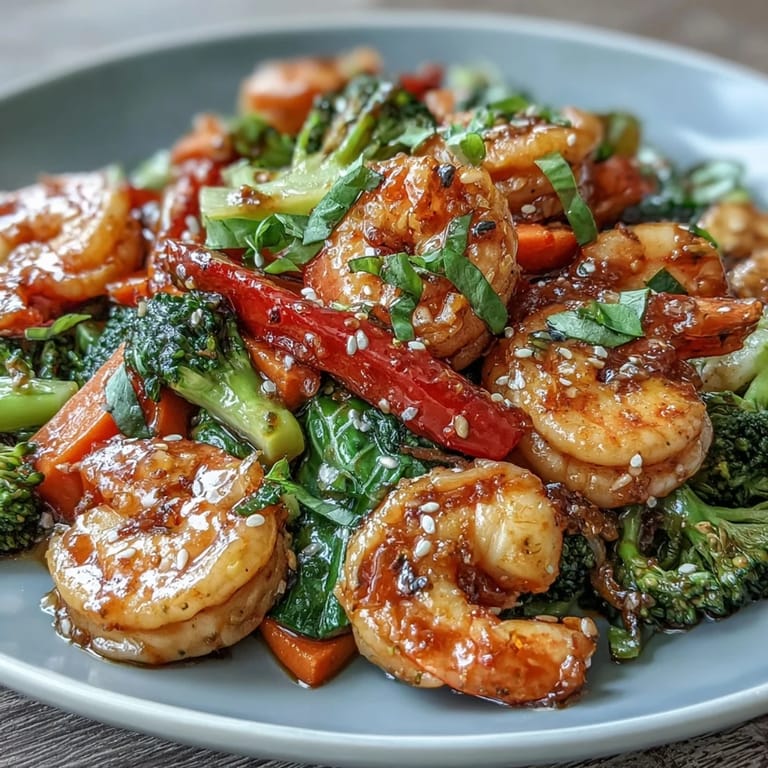
Save What I love most is when someone tries this and realizes they've been overthinking healthy cooking—a meal this fast, this colorful, and this satisfying doesn't feel like a compromise. It's become the thing I make when I want to feel like I've cooked something impressive but still had time to actually enjoy my evening.
Variations That Actually Work
This stir-fry template is flexible enough that you can swap proteins without changing anything else—I've made it with sliced chicken breast, cubed tofu, and even tempeh when I'm in that mood. Vegetables are equally forgiving; if you don't have snap peas, use snow peas or green beans; if your broccoli looks tired, swap it for bok choy or mushrooms. The sauce stays the same and ties whatever you choose together perfectly.
Heat Levels and Customization
The recipe as written is relatively mild, which I prefer because it lets you taste each ingredient, but I keep a bottle of sriracha on the counter for anyone who wants to turn up the heat. Red pepper flakes work beautifully too—sprinkle them in just before serving so they don't lose their punch to the sauce. A squeeze of lime juice right before eating brightens everything up and adds a freshness that makes the whole dish feel lighter.
Making This Work for Your Schedule
If you're short on time, buy pre-riced cauliflower and pre-peeled shrimp—these aren't cheating, they're just being smart about where to invest your effort. You can also prep all your vegetables the night before, storing them separately so they don't get soggy, then everything comes together in a single pan the next evening. The real time-saver is having your sauce mixed before you start cooking, so you're never standing there whisking while your vegetables are getting limp.
- Pro prep move: Mince your garlic and ginger into a small bowl together so they go into the pan at exactly the same moment.
- Storage trick: Leftover stir-fry keeps in the fridge for two days, though the cauliflower rice gets softer; reheat gently in a wok or skillet rather than the microwave if you want any crispness back.
- Scaling reminder: This recipe doubles easily if you're feeding a crowd, just use two pans so everything still gets that high-heat sear.
 Save
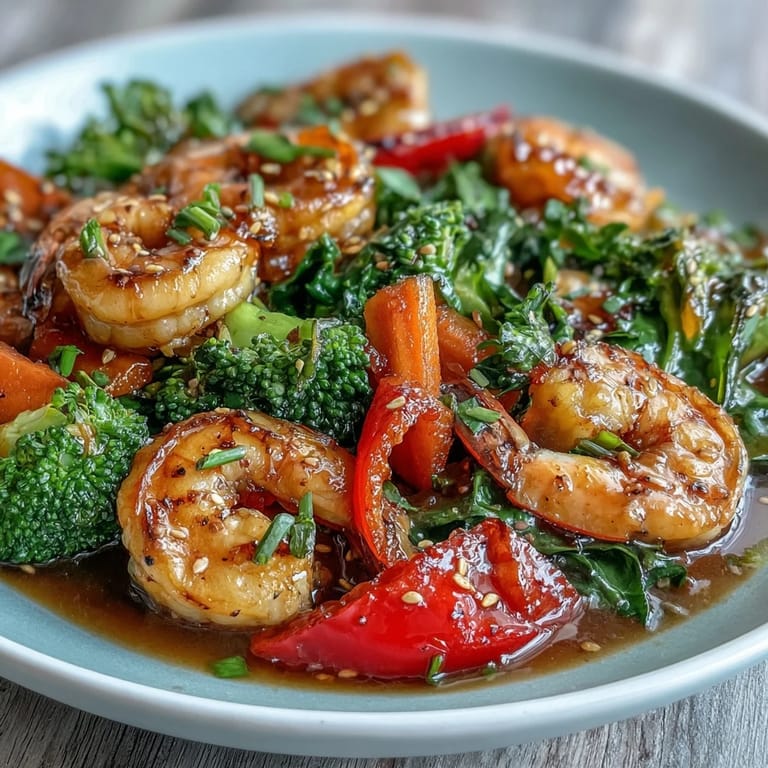
Save This dish has a way of making weeknight cooking feel effortless, which somehow makes you want to cook more often. It's the kind of meal that reminds you why home cooking beats takeout, even when takeout feels faster.
Kitchen Tips & Answers
- → How do I prepare cauliflower rice from fresh cauliflower?
Remove the leaves and core, then pulse cauliflower florets in a food processor until they reach a rice-like texture. Sauté briefly with oil and seasoning before serving.
- → Can I substitute shrimp with other proteins?
Yes, chicken breast, tofu, or tempeh are excellent alternatives that adapt well to the stir-fry method and flavors.
- → What is the best way to keep vegetables crisp-tender?
Stir-fry over medium-high heat for a short time, around 3-4 minutes, tossing constantly to maintain crispness without overcooking.
- → How can I adjust the sauce for extra heat?
Add chili flakes or a splash of sriracha to the sauce mixture for a spicy kick that complements the sweet and savory elements.
- → Is this dish suitable for gluten-free diets?
Yes, by using tamari in place of soy sauce and ensuring all ingredients are gluten-free, this dish works well for gluten-sensitive individuals.