 Save
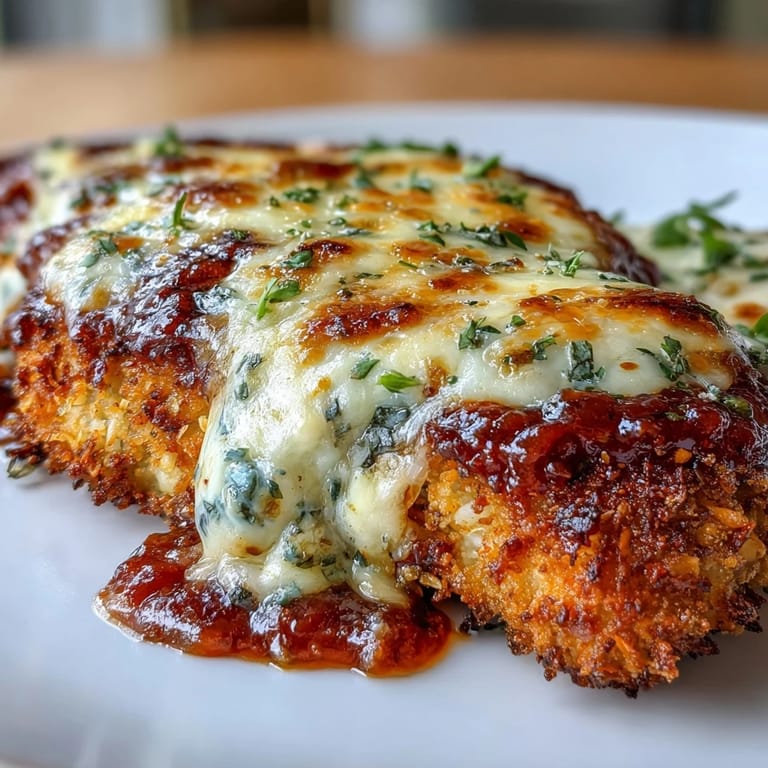
Save My sister called me one Tuesday afternoon asking if I could help her stick to her new eating plan, and somehow that conversation led to me standing in my kitchen wondering how to make chicken Parmesan feel exciting again without the heavy breading and pasta guilt. I'd spiralized zucchini before, sure, but pairing it with a crispy-on-the-outside, juicy-on-the-inside chicken breast felt like cracking a code I didn't know I'd been trying to solve. The almond flour coating was the real surprise—it browns beautifully and gives you that satisfying crunch without any of the regret that usually follows.
I made this for my book club last month, and watching everyone dive in expecting something light and then pause mid-bite to comment on how genuinely delicious it was told me everything I needed to know. One friend even asked if the chicken was really baked and not fried, which felt like the highest compliment possible in that moment.
Ingredients
- Boneless, skinless chicken breasts (4, about 5 oz each): Look for breasts that are roughly the same thickness so they cook evenly; if some are thicker, gently pound them with the heel of your hand to even things out.
- Almond flour (1/2 cup): This is what makes the magic happen—it creates a golden, crispy exterior that actual breadcrumbs can't touch, and it brings a subtle nuttiness that plays beautifully with the marinara.
- Grated Parmesan cheese (1/3 cup for coating plus 2 tablespoons for topping): Fresh grated Parmesan browns better than the pre-shredded stuff, which tends to clump and doesn't get as crispy.
- Dried Italian herbs (1 teaspoon): Don't skimp here; these little flecks are what make your coating taste intentional rather than bland.
- Garlic powder (1/2 teaspoon): It blends into the coating and provides an earthy depth that rounds everything out.
- Large egg (1, beaten): This is your adhesive—the bridge between chicken and coating—so beat it just until it's uniform and use it generously.
- Marinara sauce (1 cup): Pick one you actually enjoy eating straight from a spoon, because that's what's going to sit on your chicken; low-sugar versions work beautifully here if that matters to your household.
- Shredded part-skim mozzarella cheese (1 cup): Part-skim melts just as gorgeously as whole milk but won't make the dish feel heavy.
- Medium zucchini (4, spiralized): Use a spiralizer or vegetable peeler to create noodles; medium zucchini are the sweet spot because they're not watery and not tough.
- Olive oil (1 tablespoon): This coats the zucchini noodles so they don't stick and helps them cook evenly without absorbing excess moisture.
- Salt and black pepper: Season in layers—the chicken gets its own seasoning, the coating has its own seasoning, and the zucchini noodles get theirs—so the final dish tastes fully developed rather than one-note.
- Fresh basil leaves, for garnish: Tear these by hand right before serving so they stay bright green and fragrant.
Tired of Takeout? 🥡
Get 10 meals you can make faster than delivery arrives. Seriously.
One email. No spam. Unsubscribe anytime.
Instructions
- Get your oven ready and prep your workspace:
- Preheat your oven to 425°F and line your baking sheet with parchment paper; this one small step makes cleanup effortless and prevents sticking. Think of it as setting the stage before the real action begins.
- Dry and season your chicken:
- Pat each chicken breast dry with paper towels—this matters more than you'd think because moisture is the enemy of browning. Sprinkle both sides with salt and pepper, and let them sit for a moment so the seasoning sticks rather than sliding off.
- Build your coating station:
- In one shallow dish, whisk together almond flour, grated Parmesan, Italian herbs, and garlic powder so everything is evenly distributed. In another shallow dish, beat your egg until it's uniform, and arrange these two bowls next to each other with your baking sheet ready to go.
- Bread each chicken breast:
- Dip each chicken breast into the egg so it's fully coated, then immediately lay it in the almond flour mixture and press gently so the coating adheres—you're not going for a thick, clumpy layer but rather an even, golden one. The pressing step is crucial; it keeps the coating from flaking off during cooking.
- Bake the first round:
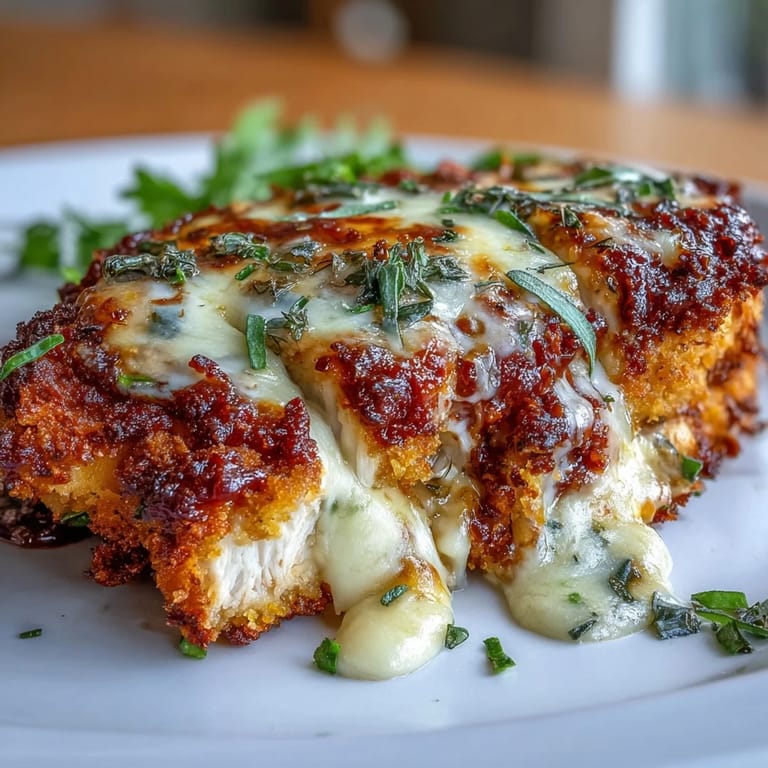
- Arrange your coated chicken on the prepared baking sheet and slide it into the oven for 18 to 20 minutes, until the coating turns golden and the internal temperature reaches 165°F when you check with a meat thermometer. You'll know it's close when the kitchen starts smelling like toasted almonds and Italian herbs.
- Add the toppings and finish baking:
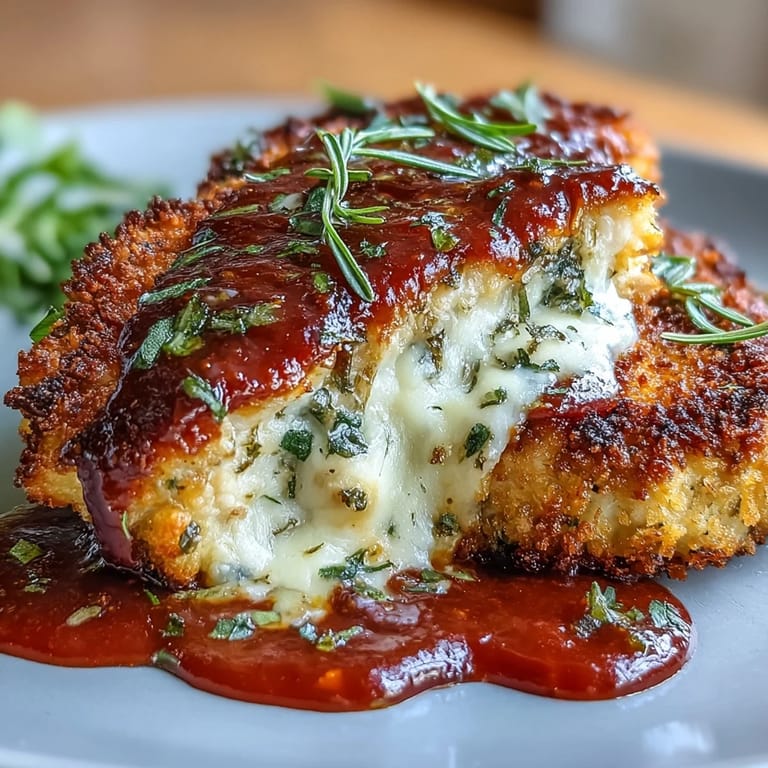
- Pull the chicken out, spoon marinara sauce evenly over each breast, then sprinkle with mozzarella and a little more Parmesan. Return it to the oven for another 5 to 7 minutes just until the cheese gets bubbly and starts to brown slightly at the edges.
- Meanwhile, cook your zucchini noodles:
- While the cheese is melting, heat olive oil in a large skillet over medium heat and add your spiralized zucchini along with salt and pepper. Sauté for just 2 to 3 minutes, stirring occasionally—the goal is tender but still with a little structure, not mushy or watery.
- Plate and serve:
- Divide the zucchini noodles among your plates, top each with a chicken breast, and scatter fresh basil over everything while it's still warm. The basil wilts slightly from the heat and becomes part of the dish rather than just a decoration.
 Save
Save There's something deeply satisfying about serving food that feels indulgent but isn't, especially when someone you care about takes that first bite and visibly relaxes. This dish does that—it meets you where you are, whether you're trying to eat lighter, avoid gluten, or just want something that tastes like comfort but doesn't make you feel heavy afterward.
The Almond Flour Game Changer
I spent years thinking almond flour was just for baking until I started using it as a breadcrumb substitute, and it opened up this whole new world of crispy coatings that actually taste good. It browns differently than regular flour—faster, more deeply, and with this subtle richness that breadcrumbs simply can't match. If you've ever written off almond flour as a baking-only ingredient, this recipe is your permission to rethink that assumption.
Why Your Zucchini Noodles Keep Coming Out Soggy
The problem isn't usually the zucchini itself but rather giving it too much attention while it cooks; every time you stir it, you're breaking down the cell walls and releasing water that has nowhere to escape. The solution is to let it sit for the first minute, give it one good stir halfway through, and then plate it immediately—treat it like you're dancing with it, not wrestling it. Once you nail this timing, zucchini noodles stop being the side dish you tolerate and become something you actually crave.
Making This Meal Your Own
The beauty of this recipe is how adaptable it is once you understand the structure, which gives you permission to make it your own rather than treating it like a strict formula. You can swap the chicken for turkey cutlets or even pound out thin slices of pork if that's what you have on hand, and the coating and cooking method work just as beautifully. Some nights I add a pinch of red pepper flakes to the coating, other times I swap half the mozzarella for fresh ricotta, and it's always good.
- Try adding a tablespoon of gluten-free panko to your almond flour coating if you want extra crunch without sacrificing the overall texture.
- If marinara sauce feels too predictable, layer pesto under the cheese instead, or use a combination of both for something with more personality.
- Roasted broccoli or sautéed spinach can stand in for zucchini noodles if you want more vegetables or just need a change of pace.
 Save
Save This is the kind of meal that makes you feel like you're taking care of yourself without any of the deprivation that usually comes with that sentiment. Make it, serve it, and watch what happens when people realize they can eat something this satisfying and still feel great afterward.
Kitchen Tips & Answers
- → Can I use turkey instead of chicken?
Yes, turkey cutlets can be substituted for chicken breasts for a similar texture and flavor profile.
- → How do I prevent zucchini noodles from becoming soggy?
Sauté zucchini noodles briefly over medium heat (2–3 minutes), seasoning with salt and pepper, to maintain a tender but firm texture.
- → Is almond flour essential for the coating?
Almond flour adds a nutty flavor and helps create a crispy coating while keeping the dish gluten-free, but other gluten-free flours can be used as alternatives.
- → How can I check chicken is thoroughly cooked?
Use a meat thermometer to ensure an internal temperature of 165°F (74°C) for safe and juicy chicken.
- → What can I serve alongside this dish?
A crisp green salad or roasted vegetables pair well, along with a dry Italian white wine such as Pinot Grigio to complement the flavors.