 Save
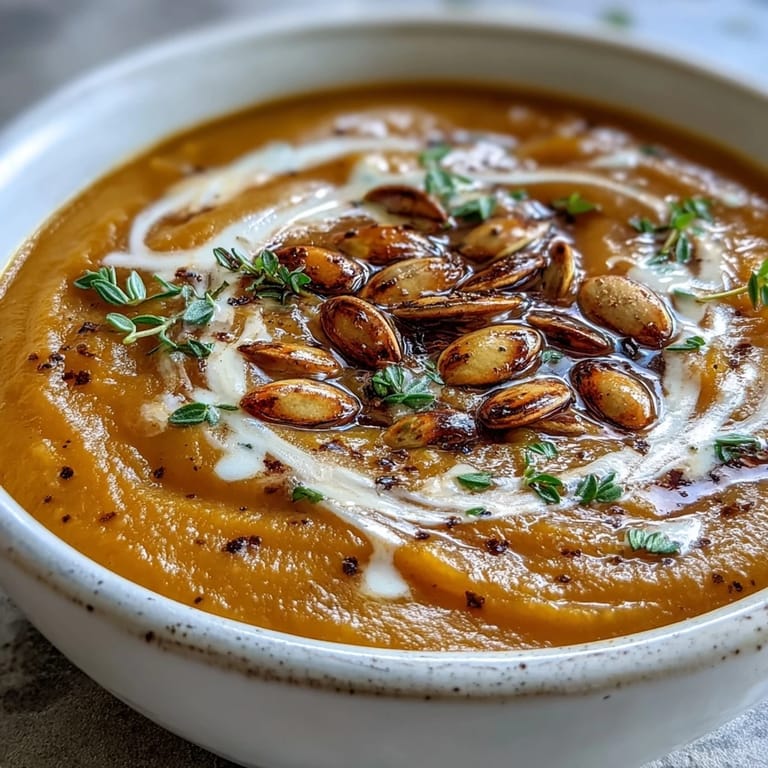
Save There's something about the smell of butternut squash roasting that fills a kitchen with pure comfort, even before you take the first spoonful. I stumbled onto this soup one October afternoon when I had half a squash sitting on my counter and absolutely no plan for dinner. The warmth of cinnamon and nutmeg rising from the pot reminded me why simple, honest cooking often tastes the best. This isn't a soup you need fancy techniques for, just good ingredients and a little patience while they work their magic together.
I made this for my sister on a rainy November evening, and she sat at my kitchen table with a steaming bowl, just quiet and content. There's a moment when someone takes that first spoonful and their shoulders relax a little, and that's exactly what happened. It became our thing after that, the soup we'd call each other to make whenever the weather turned cold.
Ingredients
- Butternut squash (1 large, about 2 lbs): Roasting brings out its natural sweetness and creates those caramelized edges that make the soup taste deeper and richer than you'd expect.
- Yellow onion (1 medium): This is your flavor foundation, turning sweet and mellow as it softens in the pot.
- Garlic cloves (2): Just enough to whisper in the background without overpowering the delicate squash.
- Carrot and celery (1 each): These add subtle earthiness and body to the broth without demanding attention.
- Olive oil (2 tbsp): Use good quality if you can, since it directly touches the final soup and carries its flavor forward.
- Unsalted butter (2 tbsp, optional): If you include it, this adds a richness that makes you want another bowl right away.
- Vegetable broth (4 cups): Low sodium lets the squash shine; high sodium will fight against the delicate spices.
- Ground cinnamon and nutmeg (1/2 tsp and 1/4 tsp): These warm spices feel like a hug in a bowl, but measure carefully so they don't become the whole story.
- Black pepper and kosher salt: Season as you go, tasting and adjusting at the end since flavors concentrate as the soup simmers.
- Heavy cream or coconut milk (1/4 cup): A final swirl makes it feel special without needing much.
- Pumpkin seeds and fresh thyme: These garnishes add texture and a fresh note that cuts through the richness beautifully.
Tired of Takeout? 🥡
Get 10 meals you can make faster than delivery arrives. Seriously.
One email. No spam. Unsubscribe anytime.
Instructions
- Get your oven ready:
- Preheat to 400°F and line your baking sheet with parchment paper so cleanup is a breeze later.
- Roast the squash until golden:
- Toss your cubed squash with a tablespoon of olive oil, salt, and pepper, then spread it in a single layer. The 25 to 30 minutes in the oven transforms it into something caramelized and sweet, and you'll know it's ready when the edges turn deep golden brown.
- Build flavor while squash roasts:
- In your largest pot, heat the remaining olive oil and butter over medium heat, then add the onion, carrot, and celery. Let them soften gently for 5 to 7 minutes until they're tender and fragrant, then add the garlic for just a minute more so it doesn't burn.
- Bring everything together:
- Add your roasted squash to the pot along with the broth, cinnamon, nutmeg, salt, and pepper. Bring it to a boil, then turn the heat down and let it simmer for 10 to 15 minutes, which gives the spices time to meld and the flavors to settle into each other.
- Make it silky smooth:
- This is where an immersion blender becomes your best friend, letting you puree everything right in the pot without moving it around. If you're using a countertop blender, work carefully in batches so hot soup doesn't overflow.
- Taste and adjust:
- This step is important and often overlooked, so take a moment to taste and add salt or spices as needed, since what works in one kitchen might need tweaking in another.
- Serve with purpose:
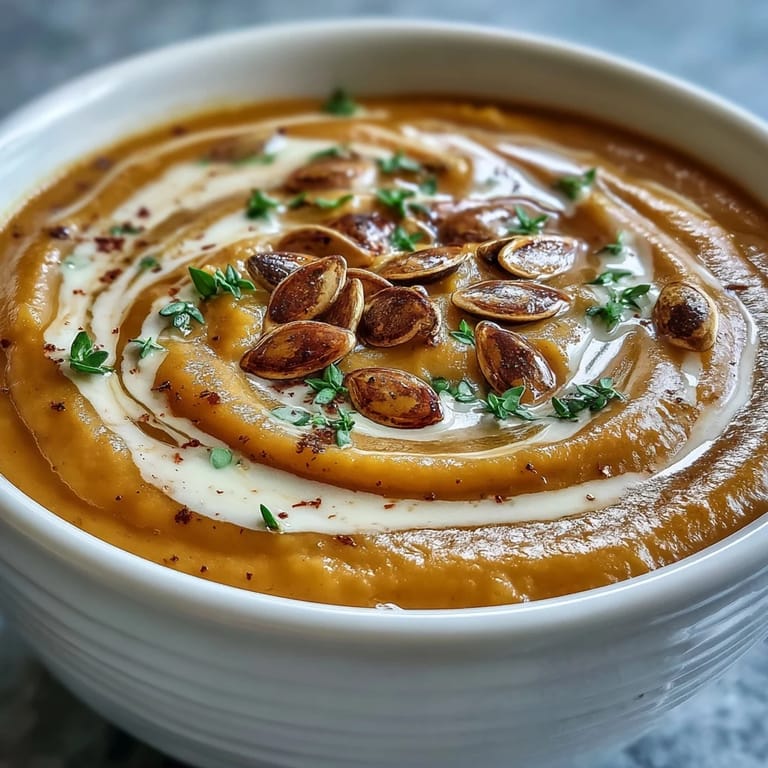
- Ladle the hot soup into bowls and drizzle with cream or coconut milk, then sprinkle with a few pumpkin seeds and a pinch of fresh thyme for color and texture.
 Save
Save The first time someone asked me for the recipe, I realized this simple soup had become something they craved, something that showed up in their thoughts on cold days. That's when cooking shifts from just feeding yourself to creating moments that matter.
Why Roasting Changes Everything
Roasting butternut squash in the oven isn't just a cooking method, it's a flavor amplifier that caramelizes the natural sugars and deepens the color to something almost burnished. When you roast vegetables, the dry heat concentrates their essence instead of diluting it like boiling would. This is the single biggest reason why this soup tastes like you've been simmering it for hours when it only took 45 minutes from start to finish.
Making It Your Own
The spice balance in this recipe is intentionally subtle so the squash stays the star, but your kitchen rules are different than mine. I've added a pinch of cayenne when I want heat, swapped the cinnamon for smoked paprika when I'm feeling adventurous, and even stirred in a tablespoon of maple syrup when the squash wasn't quite as sweet as I hoped. The beauty of this recipe is that it's flexible enough to taste different every season depending on what you're drawn to.
Serving and Storage Wisdom
This soup actually tastes better the next day after the spices have had time to really settle in, so don't hesitate to make it ahead and reheat it gently on the stove or in the microwave. Leftovers keep beautifully in the fridge for about four days, and it also freezes well if you want to stash a batch for a day when cooking feels like too much.
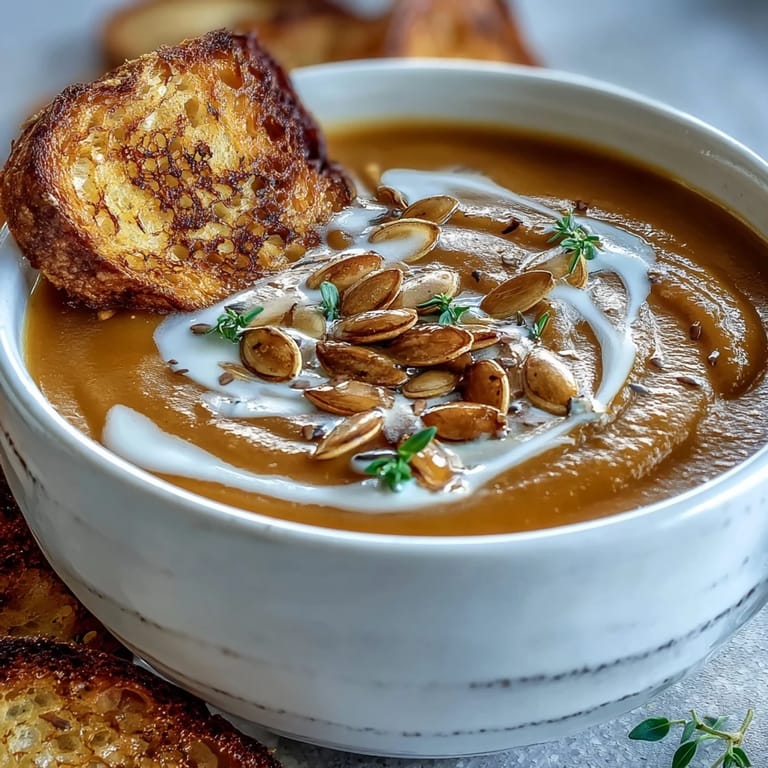
- Serve this alongside crusty bread or a simple salad to make a complete meal that feels substantial without being heavy.
- If you're making it vegan, use coconut milk or oat milk for the cream swirl and skip the butter entirely, and it will taste just as good, just differently rich.
- Toast your own pumpkin seeds in a dry skillet for 5 minutes if you want them fresher and crunchier than store-bought.
 Save
Save This soup has a way of becoming a favorite the moment you taste it, and somehow it never gets old no matter how many times you make it. There's real comfort in knowing you can create something this good in your own kitchen on any chilly evening.
Kitchen Tips & Answers
- → How do I roast butternut squash for soup?
Toss cubed squash with olive oil, salt, and pepper. Roast at 400°F for 25–30 minutes until tender and caramelized at the edges for deeper flavor.
- → Can I make this soup ahead of time?
Yes, prepare up to 3 days in advance and refrigerate. Reheat gently on the stovetop, adding a splash of broth if needed to adjust consistency.
- → How do I make this soup dairy-free?
Use only olive oil instead of butter, and finish with coconut milk instead of heavy cream. The result remains creamy and satisfying.
- → What can I use instead of an immersion blender?
A countertop blender works well—puree in batches, filling only halfway and venting the lid to release steam. Alternatively, use a potato masher for a rustic texture.
- → How long does butternut squash soup keep?
Store in an airtight container for 4–5 days refrigerated, or freeze for up to 3 months. Thaw overnight in the refrigerator before reheating.
- → Can I add protein to this soup?
Serve with crusty bread and cheese for a complete meal, or stir in cooked white beans or lentils during simmering for added protein and texture.