 Save
Save My neighbor knocked on the door one November afternoon with a head of broccoli from her garden, and I realized I had nothing to do with it except make soup. That evening, my kitchen filled with the smell of butter and cheese melting together, and something clicked—this wasn't just a way to use vegetables, it was exactly what we all needed on a day like that. The soup came together so naturally that I've made it dozens of times since, each batch a little different depending on what's in the fridge and how much comfort we're seeking.
I made this soup for my daughter's friends during a snowstorm when they got stuck at our house, and watching them eat it straight from bowls, forgetting to complain about homework for once, made me understand why comfort food matters. There's something about a warm, cheesy broccoli soup that makes people relax and talk more openly, like the richness of it gives permission to slow down.
Ingredients
- Broccoli florets: Four cups is roughly one large head, and chopping them into bite-sized pieces means they cook evenly and soften beautifully without turning mushy.
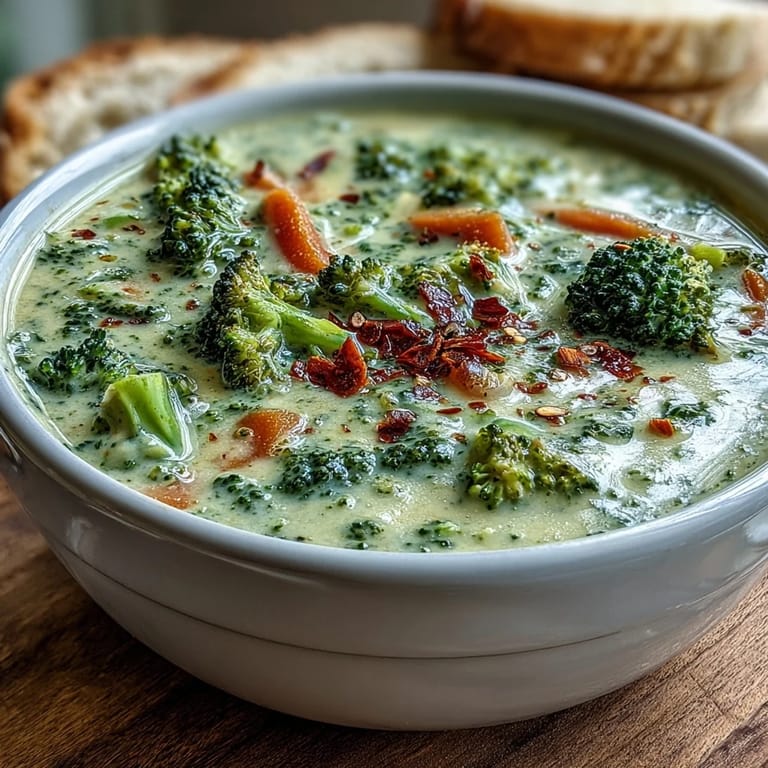
- Carrots: Shredded or julienned carrots add natural sweetness and cook faster than chunks, creating a more cohesive texture in the soup.
- Onion: One small onion, finely chopped, becomes almost invisible as it softens, creating the aromatic foundation everything else builds on.
- Garlic: Two cloves minced is enough to add depth without overpowering the cheese, which is the real star.
- Sharp cheddar cheese: Grating it yourself from a block melts more smoothly than pre-shredded, which contains anti-caking agents that can make things grainy.
- Whole milk and heavy cream: Together they create richness and body; using both gives you more flexibility than relying on cream alone.
- Unsalted butter: This is your fat base for cooking the vegetables and making the roux, so good quality matters here.
- Vegetable broth: Four cups provides the liquid foundation; taste yours before using since some brands are saltier than others.
- All-purpose flour: A quarter cup creates a roux that thickens the soup without leaving a starchy taste when cooked properly.
- Salt, pepper, paprika, and nutmeg: These seasonings work together to bring out the cheese and vegetable flavors without announcing themselves.
Tired of Takeout? 🥡
Get 10 meals you can make faster than delivery arrives. Seriously.
One email. No spam. Unsubscribe anytime.
Instructions
- Melt the butter and soften the onion:
- In a large pot over medium heat, let the butter melt completely, then add your chopped onion and give it about four minutes to turn soft and translucent, stirring occasionally. You'll know it's ready when it smells sweet and releases its sharpness into the pot.
- Add garlic and create an aroma:
- Stir in the minced garlic and let it cook for just one minute until the whole kitchen smells irresistible. Don't walk away; you want to catch it right when it becomes fragrant but before it browns.
- Make the roux:
- Sprinkle the flour over the onions and garlic, then stir constantly for about two minutes while the mixture looks a bit pasty and slightly darkens. This cooks out the raw flour taste and creates the thickening agent for your soup.
- Whisk in the broth:
- Gradually pour in the vegetable broth while whisking steadily to break up any lumps that might form. Take your time here; rushing this step means working out lumps later, which is tedious.
- Simmer the vegetables:
- Add the broccoli florets and shredded carrots, bring everything to a gentle simmer, and let it cook uncovered for 15 to 20 minutes until the vegetables are completely tender and a fork slides through easily. The broccoli will soften noticeably while the carrots become sweet.
- Lower the heat and add dairy:
- Reduce the heat to low, then stir in the milk and heavy cream, heating everything gently without letting it boil or it might separate. This is when you really notice the soup becoming velvety and less sharp.
- Melt in the cheese:
- Add the grated cheddar one handful at a time, stirring after each addition until it melts completely and the soup becomes smooth and glossy. Each handful takes maybe 30 seconds to incorporate; patience here prevents graininess.
- Season to taste:
- Sprinkle in salt, black pepper, paprika if you're using it, and a tiny pinch of nutmeg, stirring well and tasting as you go. Nutmeg is a secret weapon that brings out cheese flavor without tasting like nutmeg at all.
- Blend if desired:
- If you have an immersion blender, you can partially puree the soup right in the pot to make it smoother while keeping some chunks for texture. Pulse it a few times rather than going full-on soup puree, unless you prefer it completely smooth.
- Final taste and serve:
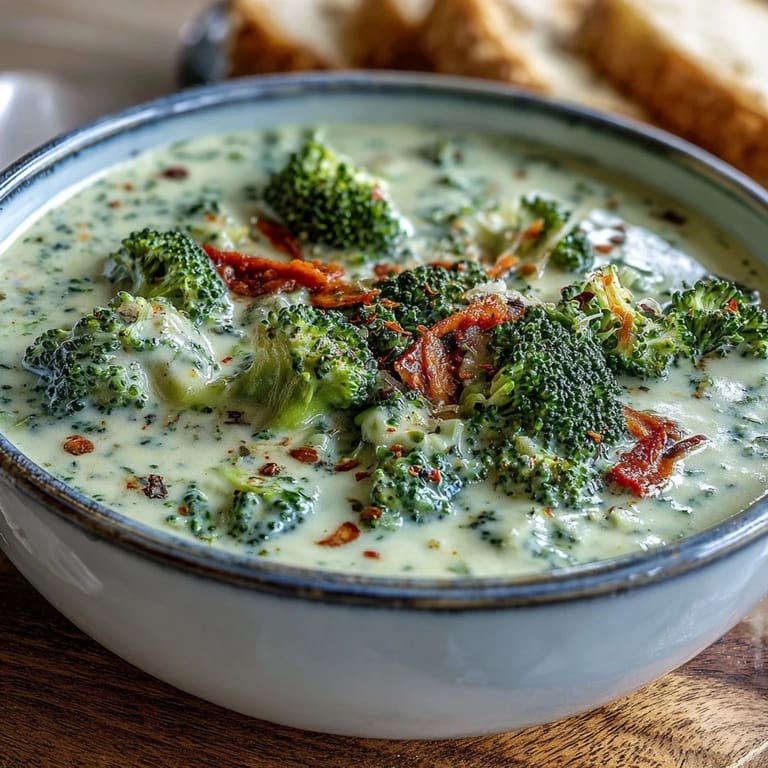
- Take one more spoonful, adjust any seasonings that need it, then serve it hot with crusty bread for soaking up every last bit. Drizzle with a little extra paprika or fresh cracked pepper if you want it to look as good as it tastes.
 Save
Save Last spring, my mother-in-law who rarely asked for anything requested this soup when she wasn't feeling well, and making it for her felt like the most useful thing I could offer in a moment when words weren't enough. She ate it slowly, deliberately, and afterward said it was exactly what she needed—a reminder that sometimes the simplest generosity is also the most nourishing.
Texture and Consistency Choices
The beauty of this soup is that you decide how smooth or chunky you want it to be, and that choice happens at the very end when you pick up the immersion blender or walk right past it. Some days I leave it almost chunky with recognizable broccoli and carrot pieces, other times I blend it until it's almost silky and pourable like a sauce. The chemistry is the same either way, but the eating experience shifts based on mood and company.
Flavor Layers and Why They Matter
This soup isn't just broccoli and cheese; it's a series of tastes building on each other in ways that seem simple until you actually taste them. The sweetness of carrots plays against the sharp bite of aged cheddar, the slight earthiness of nutmeg holds everything together, and the paprika adds color and a hint of smokiness that makes you wonder what that flavor is without being able to name it. Each component is small, but together they create something bigger than the sum of its parts, which is really what cooking is about.
Serving and Pairing Ideas
Crusty bread is the obvious partner, and honestly, you'll want something sturdy enough to soak up the soup without falling apart in your bowl. Beyond that, this soup becomes whatever meal you need it to be—lunch alone with a book, dinner when you're too tired to cook anything complicated, or the first course before a lighter main course on nights when you want to feel fancy without the stress.
- A handful of crispy bacon or pancetta stirred in at the end adds smokiness and texture without changing the fundamental character of the soup.
- Fresh thyme or chives scattered on top brighten the richness and add a visual pop of color.
- For leftover soup, reheat gently on the stovetop rather than microwaving to avoid separating the cream, and thin with a splash of milk if it thickens too much overnight.
 Save
Save This soup is the kind of recipe that becomes part of your rotation without you planning it that way, pulled out on days that feel a little gray or when someone you love needs something warm. It's unpretentious, forgiving, and always tastes like care.
Kitchen Tips & Answers
- → Can I freeze this soup?
Freezing may cause the dairy to separate slightly. For best results, cool completely before freezing, and reheat gently while stirring. The texture may be slightly different but still delicious.
- → How do I make it thicker?
Add more flour when making the roux, or blend more of the vegetables into the base. You can also reduce the liquid slightly or let it simmer longer to evaporate excess moisture.
- → Can I use frozen broccoli?
Yes, frozen broccoli works well. Add it directly to the simmering broth without thawing first. Cooking time may need 2-3 extra minutes since frozen vegetables can be slightly larger.
- → What cheese works best?
Sharp cheddar provides the best flavor. Pre-shredded cheese contains anti-caking agents that prevent smooth melting, so grate it yourself from a block for the creamiest results.
- → How long does it keep?
Store in an airtight container in the refrigerator for 3-4 days. Reheat gently over low heat, stirring occasionally to prevent separating. Add a splash of milk if it's too thick.
- → Can I make it dairy-free?
Substitute whole milk with unsweetened almond or oat milk. Use vegan butter and nutritional yeast or vegan cheddar shreds. The flavor and texture will differ slightly but remain satisfying.