 Save
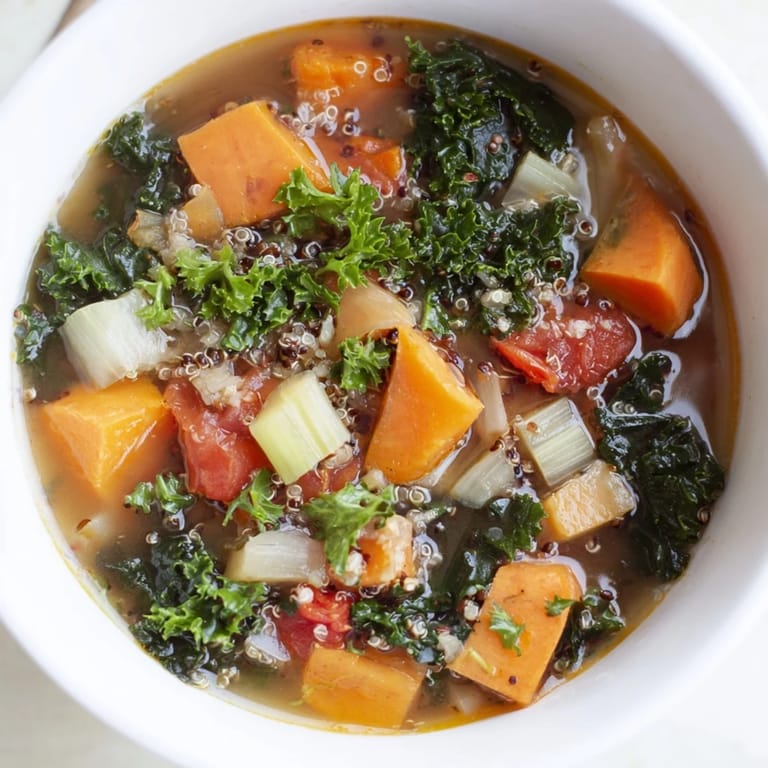
Save There's something about the first real cold snap that makes you crave a bowl of something honest and warm. I was standing in my kitchen last November, watching the frost creep across the window, when I decided to throw together whatever winter vegetables I had lingering in the crisper drawer. What emerged was this golden, steaming soup that tasted like I'd been planning it all along, even though it was pure improvisation. The quinoa added a subtle nuttiness I hadn't expected, and by the time the whole pot was simmering, my kitchen smelled like the kind of comfort that makes you want to cancel all your plans and just sit with a bowl in your hands.
I made this for my neighbor Sarah after she'd been under the weather, and watching her take that first spoonful—the way her shoulders actually relaxed—reminded me why cooking for someone matters. She went back for seconds while we talked about nothing in particular, and that bowl of soup became the background to a conversation that stretched longer than either of us expected. Some recipes are about technique, but this one is about showing up for people when they need it most.
Ingredients
- Olive oil: Just enough to get everything moving in the pan without making the broth greasy; I learned the hard way that more doesn't mean better here.
- Onion and garlic: They're the quiet foundation that makes every other flavor land properly, so don't rush the sautéing even if you're hungry.
- Carrots, celery, and parsnip: The parsnip adds a sweetness you won't be able to identify but will absolutely notice if it's missing.
- Sweet potato: Contributes natural sweetness and body without needing cream or butter to feel luxurious.
- Kale or Swiss chard: Adds mineral-rich depth; remove the tough center stems or they'll fight you the whole way through.
- Cabbage: It gets silky and almost melts into the broth, adding volume without heaviness.
- Diced tomatoes: They brighten everything up and add just enough acidity to keep the soup from tasting one-dimensional.
- Quinoa: Rinsed before using to remove any bitter coating; it cooks right in the broth and absorbs all the flavor.
- Vegetable broth: Low-sodium lets you control the salt and taste the vegetables instead of just salt.
- Thyme, oregano, and bay leaf: Dried herbs work perfectly here; they have time to really open up during the simmer.
- Fresh parsley and lemon: These are the final notes that make you realize why the soup tastes alive instead of flat.
Tired of Takeout? 🥡
Get 10 meals you can make faster than delivery arrives. Seriously.
One email. No spam. Unsubscribe anytime.
Instructions
- Wake up your aromatics:
- Heat the olive oil over medium heat and let the onion and garlic go translucent, about 2–3 minutes. You'll smell when they're ready—it's that moment when the raw onion sharpness softens into something sweet and inviting.
- Build your vegetable base:
- Add the carrots, celery, parsnip, and sweet potato; let them sauté for 5–6 minutes so they start to soften at the edges. Stir occasionally so nothing sticks or browns, just gentles into tenderness.
- Add the greens and brightness:
- Toss in the kale or chard, cabbage, and tomatoes. Give it 2 minutes just to begin breaking down the leaves slightly.
- Bring it all together:
- Pour in the broth along with the rinsed quinoa, thyme, oregano, and bay leaf. Bring everything to a boil, then immediately dial it back to low heat, cover, and let it simmer for 25–30 minutes. You'll know it's done when the quinoa has fluffy little spirals and the vegetables yield easily to a spoon.
- Finish with intention:
- Fish out the bay leaf, then stir in the fresh parsley and lemon juice if you're using it. Taste as you go and season with salt and pepper until it tastes like the best version of itself.
 Save
Save There was a morning I made this soup while my daughter painted at the kitchen table, and the smell of it simmering became the background to her concentration. When she finally asked for a bowl, she drank half of it before she even sat down properly, and I realized that feeding people isn't about impressing them—it's about making something that matters quietly in their day.
The Truth About Winter Vegetables
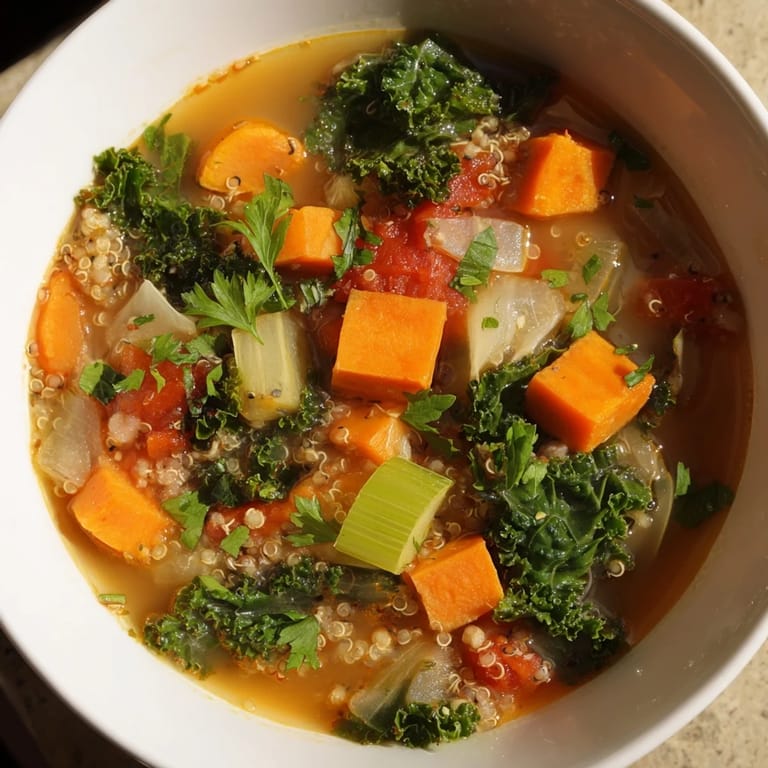
Winter vegetables don't need fancy technique to shine; they actually prefer honesty. Unlike delicate summer produce that wants gentle handling and minimal cooking, these sturdy roots and greens get better when you give them time in the pot. They sweeten as they soften, and each one brings something different to the party—the parsnip whispers sweetness, the cabbage adds silkiness, the tomatoes cut through with brightness. I used to think I needed to be more adventurous with seasonings or cooking methods, but I've learned that sometimes the best thing you can do is step back and let the vegetables be themselves.
Why This Soup Stays in Rotation
It's forgiving in the best way possible. Too much of one vegetable? It doesn't matter, the others balance it out. Running low on something? Swap it for what you have. Even the timing is flexible—simmering an extra 10 minutes won't ruin it, and you can make it early in the day and reheat it for dinner without it losing anything. I've also discovered that this soup is even better the next day, when all the flavors have had time to really get to know each other.
Ways to Make It Your Own
The bones of this recipe are solid, but the soul of it is flexibility. I've added chickpeas on nights when I wanted more protein, thrown in spinach instead of kale when that's what I had, and even added a pinch of red pepper flakes to perk things up when the kitchen felt too quiet. You can drizzle in a little coconut milk if you want creaminess without dairy, or serve it over rice if you want something more substantial underneath. The point isn't to follow it exactly—it's to make it your own and keep coming back to it.
- A can of drained chickpeas or white beans transforms this into an even heartier main course.
- Serve with crusty whole-grain bread and you've got a meal that feels complete and intentional.
- Save any leftovers; they reheat beautifully and taste even richer the next day.
 Save
Save This soup has a way of becoming part of your winter routine once you make it the first time. It's the kind of recipe that asks nothing of you but gives everything back.
Kitchen Tips & Answers
- → Can I use other greens instead of kale or Swiss chard?
Yes, spinach or collard greens work well as substitutes and will soften quickly during cooking.
- → How should quinoa be prepared before adding?
Rinse quinoa under cold water to remove its natural coating, which helps reduce bitterness before cooking.
- → Is it possible to add more protein to this dish?
Yes, stirring in drained chickpeas or white beans during simmering boosts protein and texture.
- → What spices enhance the soup’s flavor best?
Dried thyme, oregano, and bay leaf provide warm, earthy notes that complement the vegetables beautifully.
- → Can this dish be made spicier?
Adding red pepper flakes during the initial sauté step introduces a gentle heat if desired.