 Save
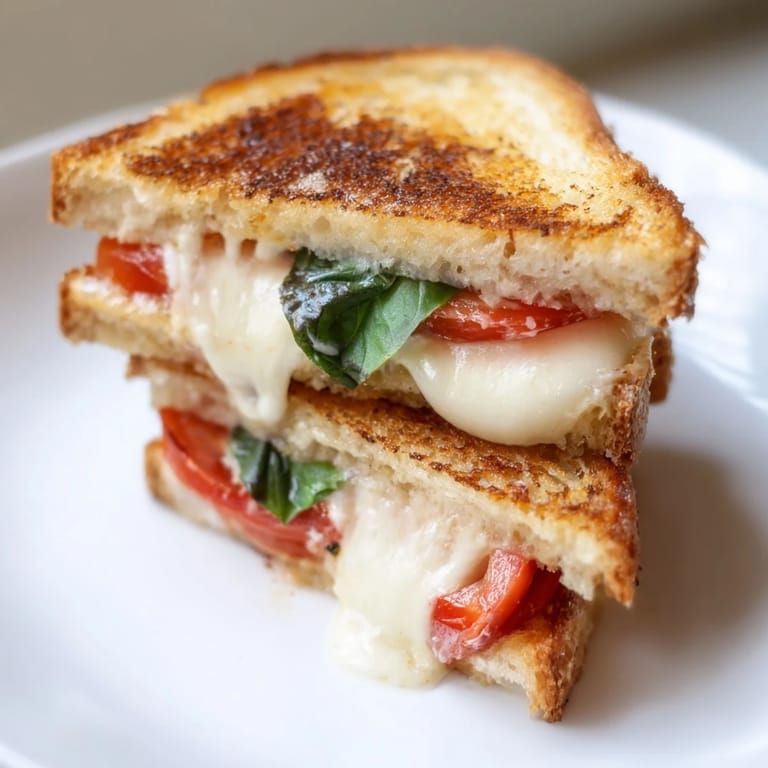
Save There was a rainy Tuesday when the fridge was nearly empty and I was too tired to think. I grabbed what was left: bread, butter, a tomato from the counter, and some mozzarella I'd bought for pizza that never happened. I tossed in basil from the windowsill plant and made what I thought would be an ordinary grilled cheese. The smell that filled the kitchen changed everything.
I made this for my neighbor once when she came over upset about a long day at work. We sat at the counter, and she took one bite and just closed her eyes. She didn't say anything for a minute, then laughed and said it tasted like a hug. I've made it dozens of times since, and that's still the best description I've heard.
Ingredients
- Rustic or sourdough bread: The structure matters here because soft sandwich bread turns soggy with the tomato, but a sturdy sourdough holds everything together and crisps beautifully.
- Unsalted butter, softened: Softened butter spreads without tearing the bread, and it toasts into that golden, crackling crust that makes or breaks a grilled cheese.
- Fresh mozzarella: The creamy, milky kind that melts into stretchy, gooey perfection, not the rubbery pre-shredded stuff.
- Ripe tomato: A summer tomato is ideal, but even a decent winter one works if you salt it lightly and let it sit for a few minutes to draw out sweetness.
- Fresh basil leaves: This is not optional, dried basil will not give you the bright, aromatic punch that makes this sandwich unforgettable.
- Salt and black pepper: Just a pinch on the tomato layers brings everything into focus.
Tired of Takeout? 🥡
Get 10 meals you can make faster than delivery arrives. Seriously.
One email. No spam. Unsubscribe anytime.
Instructions
- Butter the bread:
- Lay out all four slices and spread softened butter evenly on one side of each. Don't skip the edges, or they'll stay pale and sad while the center gets golden.
- Build your sandwich:
- Place two slices buttered side down, then layer mozzarella first so it melts against the bread, followed by tomato, basil, salt, and pepper. Top with the remaining bread slices, buttered side up.
- Heat the skillet:
- Set your non-stick skillet or griddle over medium heat and let it warm for a minute. Too hot and the bread burns before the cheese melts, too cool and it just steams.
- Cook low and slow:
- Place the sandwiches in the skillet and cook for three to four minutes per side, pressing gently with a spatula. You want deep golden brown bread and fully melted, drippy cheese.
- Rest and slice:
- Pull the sandwiches off the heat and let them sit for one minute before slicing. This keeps the cheese from sliding out the sides when you cut in.
 Save
Save One weekend my brother brought his kids over and I made a stack of these. His daughter, who usually picks apart anything green, ate an entire half without complaining and asked if basil was a vegetable. When I said yes, she shrugged and said maybe vegetables were okay sometimes. I didn't correct her, I just made her another one.
Choosing Your Bread
I've tried this on everything from white sandwich bread to ciabatta, and sourdough wins every time. The slight tang plays off the sweetness of the tomato, and the crust crisps up without getting hard. If you only have whole wheat or multigrain, it still works, just make sure it's a thicker slice or it can fall apart under the weight of a juicy tomato.
Cheese Variations
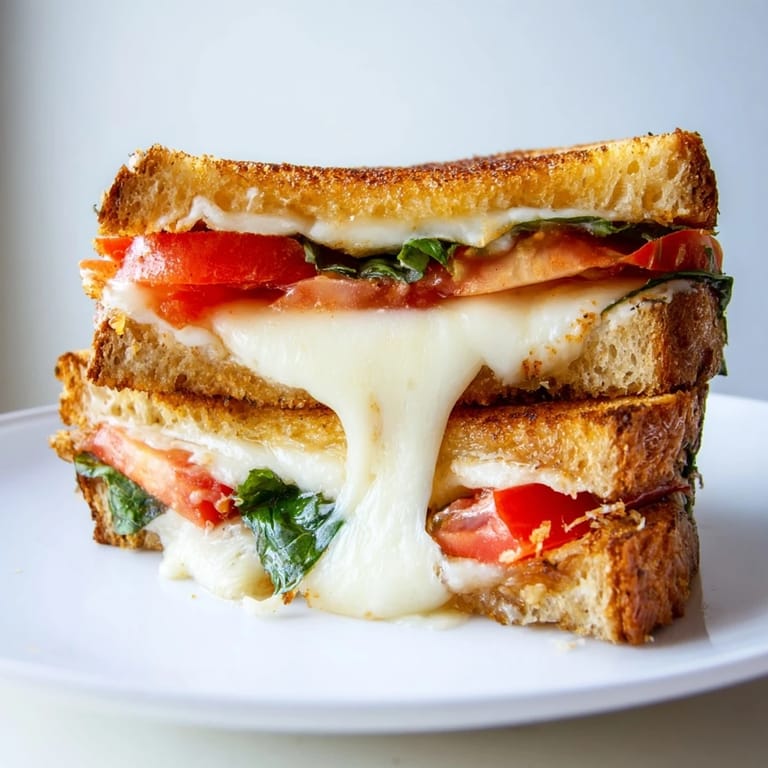
Fresh mozzarella is my go-to because it melts into creamy pools, but I've used provolone when I wanted something sharper and cheddar when I was out of options. A mix of mozzarella and a little parmesan adds a salty, nutty edge. Just avoid anything pre-shredded if you can, the anti-caking agents mess with the melt.
Serving Suggestions
This sandwich belongs next to a bowl of tomato soup, the kind you dip every other bite into until the bowl is empty. I've also served it with a handful of kettle chips, a simple arugula salad with lemon, or just eaten it standing over the stove because I couldn't wait.
- Drizzle with balsamic glaze right before serving for a sweet, tangy finish.
- Add a thin layer of pesto inside if you want even more basil flavor.
- Serve with pickles on the side for a little acidity and crunch.
 Save
Save This sandwich taught me that comfort food doesn't have to be complicated, it just has to be made with attention and a little bit of love. I hope it becomes one of those things you make on hard days, easy days, and every day in between.
Kitchen Tips & Answers
- → What type of bread works best for this sandwich?
Rustic or sourdough bread is ideal for its sturdy structure and rich flavor. Whole wheat and multigrain varieties also work wonderfully and add nutritional value. Avoid thin bread that may become too soft when buttered and toasted.
- → Can I substitute the mozzarella with other cheeses?
Absolutely. Fresh mozzarella provides a mild, creamy texture, but provolone offers a sharper taste and cheddar adds a more robust flavor. Experiment to find your preferred cheese balance with the fresh basil and tomato.
- → How do I achieve a perfectly crispy exterior?
Spread butter evenly on the outside of each bread slice before cooking. Use medium heat and avoid high temperatures that burn the bread before melting the cheese. Gentle pressure with a spatula while cooking promotes even browning and cheese distribution.
- → Should I use fresh or dried basil?
Fresh basil is strongly recommended for its vibrant flavor and aromatic quality. Dried basil can be used in a pinch, but reduce the quantity to about 1 teaspoon as it's more concentrated and less delicate than fresh leaves.
- → What pairs well with this sandwich?
Tomato soup is a classic pairing that complements the flavors beautifully. A crisp salad, light vegetable sides, or even a simple fruit salad rounds out the meal. Iced tea or lemonade makes an excellent beverage accompaniment.
- → Can I make this ahead of time?
Assemble the sandwiches up to 2 hours ahead and refrigerate. Cook them fresh when ready to eat for optimal crispness and melted cheese texture. Pre-cooking and reheating results in soggy bread, so pan-toasting fresh is best.