 Save
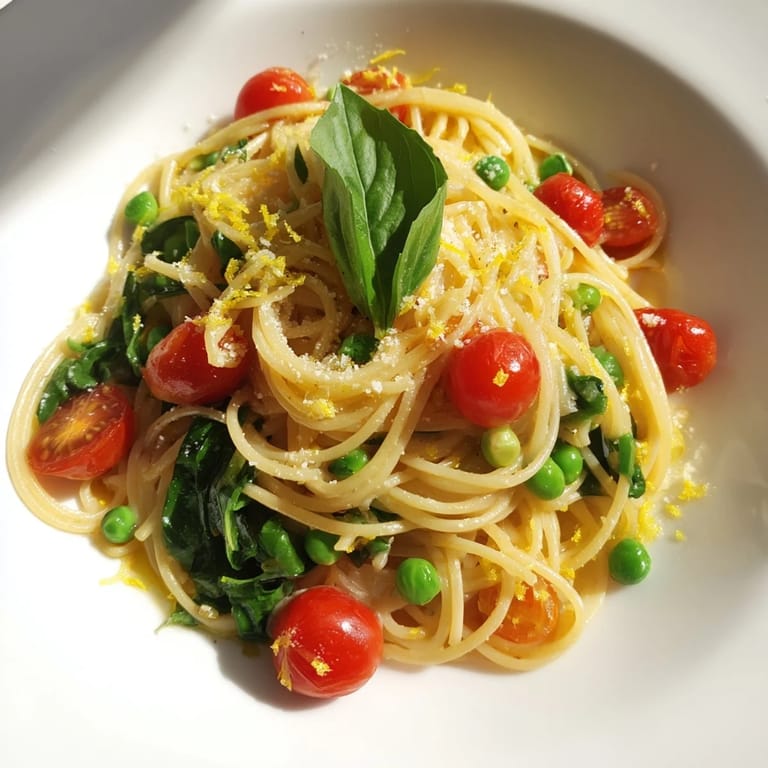
Save The smell of garlic hitting warm olive oil always pulls me straight into the moment. I stumbled onto this recipe during a week when my fridge was half empty and I didn't want to make a trip to the store. Tossing everything into one pot felt risky at first, but watching the pasta soften in broth while vegetables released their color taught me something about trust. Now it's my go-to when I want something bright and filling without a sink full of dishes. Spring never tasted so easy.
I made this for a friend who was convinced she hated spinach. She kept asking what made it taste so good, and I realized it was the lemon zest stirred in at the end. That tiny pop of brightness changed the whole dish. We ended up eating straight from the pot, standing at the counter, and she admitted maybe spinach wasn't the problem all along. Sometimes the smallest additions do the heaviest lifting.
Ingredients
- Dried spaghetti: Use a sturdy brand that holds its shape because it cooks directly in the broth, and you don't want it turning mushy halfway through.
- Frozen or fresh peas: Frozen peas are secretly perfect here because they're already blanched, so they stay sweet and tender without overcooking.
- Baby spinach: It wilts down to almost nothing, so don't be shy with the handful you toss in, it adds color and a subtle earthiness.
- Cherry tomatoes: Halving them lets their juice mingle with the broth, creating little pockets of tangy sweetness throughout the pasta.
- Garlic: Slice it thin so it gets golden and fragrant without burning, that's where the whole dish starts to smell like home.
- Red onion: It softens into the background but leaves behind a gentle sweetness that balances the acidity of the tomatoes.
- Vegetable broth: This is your cooking liquid and your sauce, so use one with good flavor because the pasta will soak it all up.
- Olive oil: A good drizzle at the start helps the aromatics bloom and adds a silky richness to the finished dish.
- Salt, black pepper, and red pepper flakes: Season early and taste often, the red pepper flakes are optional but they add a warm kick that wakes everything up.
- Lemon zest: Stir this in at the very end so the oils stay bright and citrusy, it's the secret to making the dish taste alive.
- Parmesan cheese: A little goes a long way, and the salty, nutty flavor ties all the vegetables and pasta together beautifully.
- Fresh basil: Tear it with your hands right before serving, the bruised leaves release more aroma and make the whole plate look like spring.
Tired of Takeout? 🥡
Get 10 meals you can make faster than delivery arrives. Seriously.
One email. No spam. Unsubscribe anytime.
Instructions
- Start with the aromatics:
- Heat the olive oil in a large pot over medium heat, then add the garlic and red onion. Let them sizzle gently for 2 to 3 minutes until they smell sweet and the onion turns translucent.
- Add everything at once:
- Toss in the spaghetti, peas, spinach, and cherry tomatoes, then pour the vegetable broth over the top and bring it all to a boil. It looks chaotic at first, but trust the process.
- Season and simmer:
- Sprinkle in the salt, black pepper, and red pepper flakes if you're using them, then stir occasionally to keep the pasta from clumping. Let it cook uncovered for 10 to 12 minutes until the spaghetti is tender and most of the broth has been absorbed.
- Finish with brightness:
- Stir in the lemon zest right before you take the pot off the heat. The citrus oils will bloom in the residual warmth and lift the entire dish.
- Serve it up:
- Divide the pasta among plates and top each serving with grated Parmesan and a few torn basil leaves. Eat it while it's still steaming.
 Save
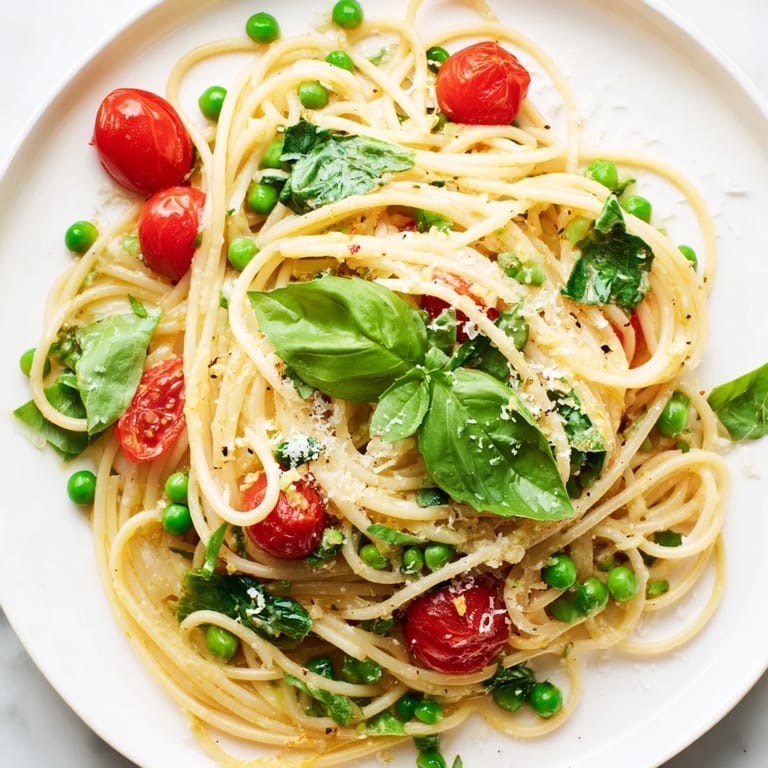
Save One night I doubled this recipe for a small dinner party and everyone kept complimenting how fancy it looked. I didn't have the heart to tell them it took less effort than boiling pasta separately. We sat outside with wine and seconds, and someone said it tasted like eating sunshine. I've never forgotten that, because it's exactly what spring vegetables in a pot should feel like.
Making It Your Own
This recipe is forgiving in the best way. If you have asparagus, snap off the woody ends and toss the tender pieces in with the peas. Zucchini works beautifully if you slice it thin so it doesn't get mushy. I've added a can of drained chickpeas when I needed extra protein, and they soak up the broth like little flavor sponges. Sometimes I swap the spaghetti for linguine or even broken lasagna noodles, and it still turns out just right.
Storing and Reheating
Leftovers keep well in the fridge for up to three days, though the pasta will continue soaking up liquid as it sits. When you reheat it, add a few tablespoons of water or broth to loosen everything back up, then warm it gently on the stove. I've even eaten it cold straight from the container for lunch, and it still tastes fresh and bright. The lemon zest and basil hold up surprisingly well overnight.
Final Thoughts Before You Cook
The key to this dish is not overthinking it. Let the vegetables do their thing, keep the heat steady, and don't walk away for too long or the pasta will stick. If you're new to one pot cooking, this is a gentle introduction because the results are generous even if you're a little distracted. It's the kind of recipe that builds confidence without asking for perfection.
- Use a pot that's wide enough to let the spaghetti lie flat or break the noodles in half if you need to.
- Fresh basil makes a bigger difference than you'd think, so grab a bunch if you can.
- Serve it with crusty bread to soak up any extra broth left in the bowl.
 Save
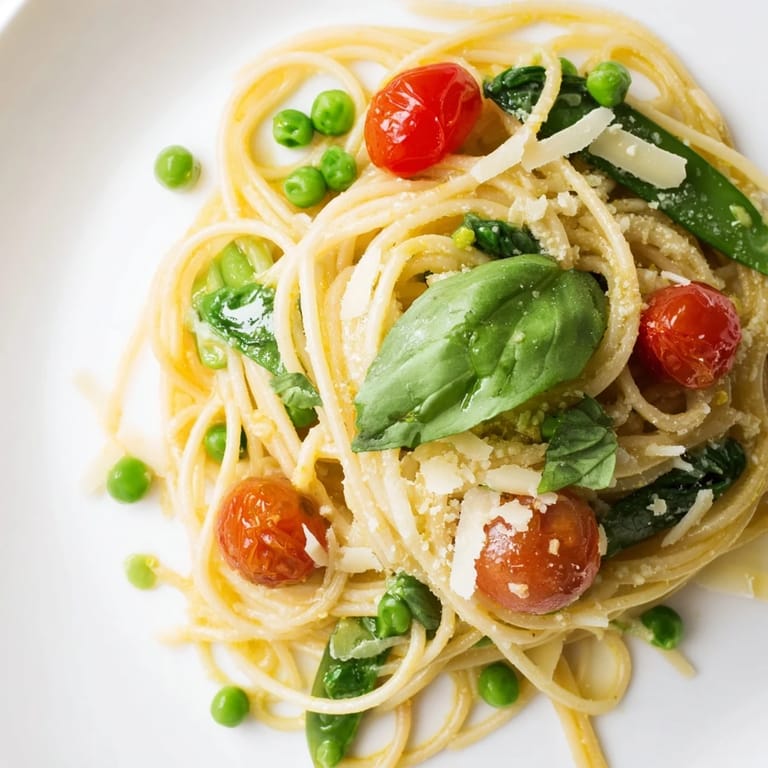
Save This is the kind of dinner that feels like a small celebration even on a regular Tuesday. Pour yourself a glass of something crisp, twirl a forkful of pasta, and let spring do the rest.
Kitchen Tips & Answers
- → Why cook pasta in broth instead of water?
Cooking pasta directly in vegetable broth infuses it with flavor throughout rather than just on the surface. This one-pot method creates a naturally seasoned dish while reducing washing up.
- → Can I use fresh pasta instead of dried?
Yes, but reduce cooking time significantly. Fresh pasta typically cooks in 2-3 minutes, so add it near the end to avoid overcooking. Adjust broth amount if needed.
- → What vegetables work well for substitutions?
Try zucchini, asparagus, broccoli, or bell peppers. Quick-cooking vegetables work best. Add harder vegetables earlier and tender ones toward the end to ensure proper texture.
- → How do I prevent the pasta from sticking?
Stir occasionally throughout cooking. The liquid-to-pasta ratio should keep it moving freely. Ensure broth is at a gentle boil rather than rapid rolling boil.
- → Can this be made ahead or reheated?
Store in an airtight container for up to three days. Reheat gently on stovetop with a splash of water or broth to restore moisture. Add fresh basil after reheating for best flavor.
- → What pairs well as a wine accompaniment?
Crisp Sauvignon Blanc complements the fresh vegetables and lemon zest beautifully. Light Italian whites like Pinot Grigio also work wonderfully.