 Save
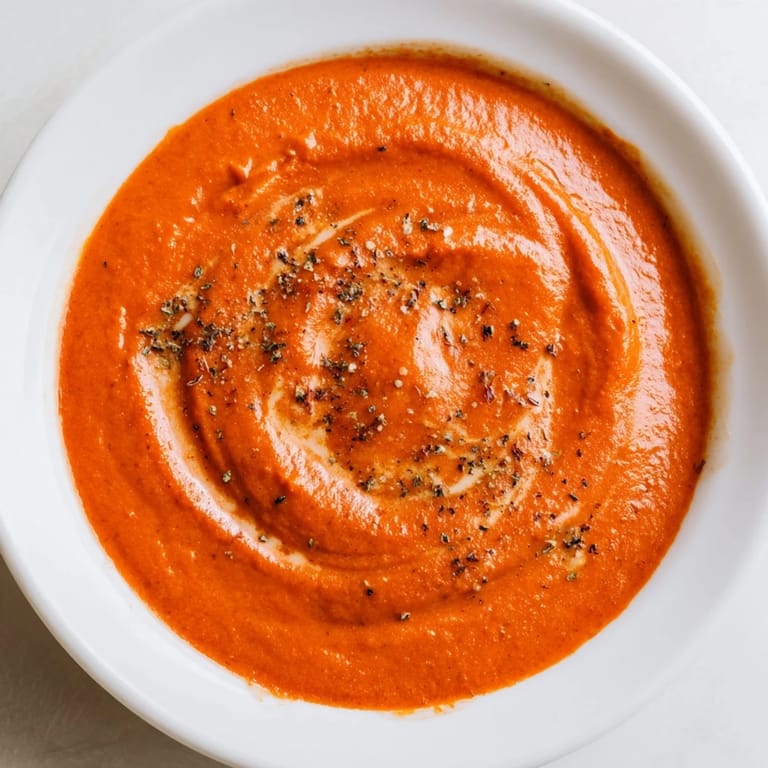
Save I discovered this sauce entirely by accident one weeknight when I was too tired to simmer anything properly. My pan was cold, my energy was lower, but I had company coming in thirty minutes. I dumped tomato sauce and butter into a pot out of pure desperation, and something magical happened—the butter didn't just melt into the sauce, it transformed it into something silky and restaurant-quality in less time than it takes to boil water. Now it's my secret weapon whenever I need to feel like I've actually cooked.
My roommate in college used to make this on nights when we were studying for exams, and the smell alone was enough to pull us away from our textbooks. She'd have pasta ready within the time it took us to set the table, and somehow it always felt like an actual meal, not a shortcut. That's when I realized that a good sauce doesn't need hours to prove itself—it just needs butter and intention.
Ingredients
- Tomato sauce: Use plain, unsalted if you can find it—this gives you control over the final seasoning and prevents the sauce from tasting tinny or overly salt-forward.
- Unsalted butter: This is where the magic lives; the fat emulsifies with the tomato acidity and creates that silky texture that makes people ask what restaurant you ordered from.
- Garlic powder: I know fresh garlic sounds more authentic, but garlic powder dissolves evenly and doesn't leave little bits floating around; it distributes flavor uniformly without the prep work.
- Salt and black pepper: Taste as you go—tomato sauce brands vary wildly in saltiness, so you might need less than the recipe suggests.
- Heavy cream: Optional but worth it if you want that extra richness; even a tablespoon changes the texture from silky to genuinely luxurious.
- Dried Italian herbs: This is your moment to experiment—oregano leans earthy, basil brings brightness, or you can skip it entirely and let the tomato and butter speak.
Tired of Takeout? 🥡
Get 10 meals you can make faster than delivery arrives. Seriously.
One email. No spam. Unsubscribe anytime.
Instructions
- Combine and melt:
- Pour the tomato sauce into a medium saucepan, add the butter and garlic powder, then set the heat to medium. Watch as the butter slowly relaxes into the sauce—you'll see it shift from looking separated to unified, and that's the moment you know something good is happening.
- Let it simmer:
- Stir occasionally and give it about five minutes; the sauce will start bubbling gently at the edges. You're not looking for a rolling boil—just a lazy simmer where you can see individual bubbles breaking the surface.
- Season with intention:
- Add the salt and pepper, stir well, and immediately taste it. The seasoning should feel balanced, not aggressive—you want to taste tomato and butter first, with salt and pepper as supporting players.
- Enrich if you like:
- If you're using cream and herbs, this is when they go in. Stir them in gently and let everything marry for another two to three minutes.
- Final taste and serve:
- Take one last spoonful, adjust if needed, and transfer to a serving bowl. The sauce will thicken slightly as it cools, so don't panic if it seems thin when it's hot.
 Save
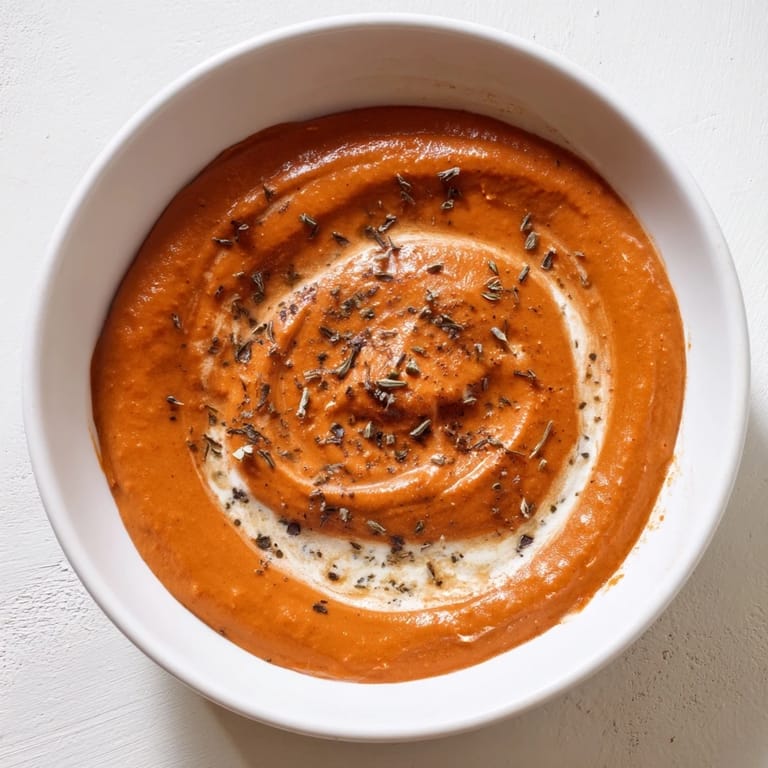
Save I remember feeding this to someone who'd just moved to my neighborhood, and she tasted it and said it reminded her of a little trattoria near her grandmother's place. That's the moment I understood that simple food made with care somehow carries memory and meaning in ways that complicated recipes never quite do.
Why This Sauce Changes Everything
This is the kind of sauce that makes you question why you ever bought jarred marinara again. It tastes expensive, feels luxurious, but costs almost nothing and takes less time than most people spend scrolling through restaurant menus. Once you know how to make it, you'll find yourself reaching for it on nights when you're tired, when you need to impress, or when you just want something that tastes like more than the sum of its parts.
Flavor Variations Worth Trying
Once you've made the base version a few times, you'll start noticing little adjustments that suit your mood. Some nights I add a splash of balsamic vinegar for depth, other times a pinch of red pepper flakes if I'm feeling bold. I've even stirred in a handful of fresh spinach at the end, and it wilts right into the sauce without changing the cooking time.
Storage and Serving Ideas
This sauce keeps beautifully in the refrigerator for up to four days, and reheats without losing that silky quality—just warm it gently over low heat and add a splash of water if it's thickened too much. I've spooned leftovers into ice cube trays and frozen them, which means sauce-ready portions are always waiting for pasta emergencies.
- Toss with fresh pasta while it's still hot, so the noodles absorb all that buttery flavor.
- Use it as a base for shakshuka by poaching eggs directly in it for an entirely different meal.
- Swirl a spoonful into soups or stews when you want to add richness without changing the main dish.
 Save
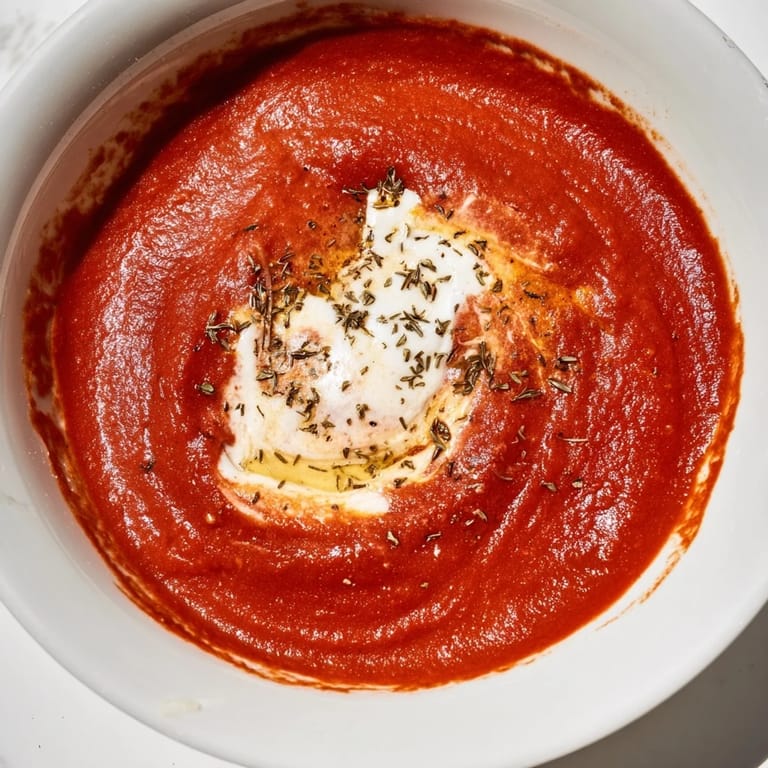
Save There's something deeply satisfying about a ten-minute sauce that tastes like you actually tried. Make it tonight, and you'll understand why I can't stop telling people about it.
Kitchen Tips & Answers
- → How can I make this sauce vegan?
Replace butter with a plant-based alternative like vegan margarine or olive oil, and skip the heavy cream or use coconut cream for richness.
- → What types of tomato sauce work best?
Use plain, unsalted tomato sauce for ideal seasoning control. Fire-roasted or San Marzano varieties add deeper, richer flavor.
- → Can I store leftovers, and for how long?
Store refrigerated in an airtight container for up to 4 days. Reheat gently to preserve creaminess and flavor.
- → What dishes pair well with this sauce?
This sauce complements pasta, serves as a base for pizza, or works great as a dipping sauce for bread or vegetables.
- → How do I adjust the seasoning to my taste?
Start with recommended salt and pepper amounts, then taste and add more seasoning if desired. A pinch of red pepper flakes adds mild heat.